
Documentaries: Framing the facts
Posted on Mar 16, 2026 by Admin
We speak to three documentary filmmakers about storytelling, exposing the ‘truth’ and choosing the right kit for the job
Words Katie Kasperson
Documentary filmmaking isn’t news reporting, and it isn’t reality TV. This film genre is as much about visual storytelling as any narrative project might be, its truth ultimately told through the eyes of the director and DOP – and the kit they choose.
Some filmmakers, like Ellena Wood (The Ripper, Louis Theroux: Talking to Anorexia), gravitate towards documentaries, while others stumble upon them unintentionally. It’s ‘a strong instinct that people have it wrong’ that Wood says draws her in. “I feel there are things I can show people about something they think they know. My job is to figure out what the story could actually be – and what the film could look like.”
Exploring cult psychology
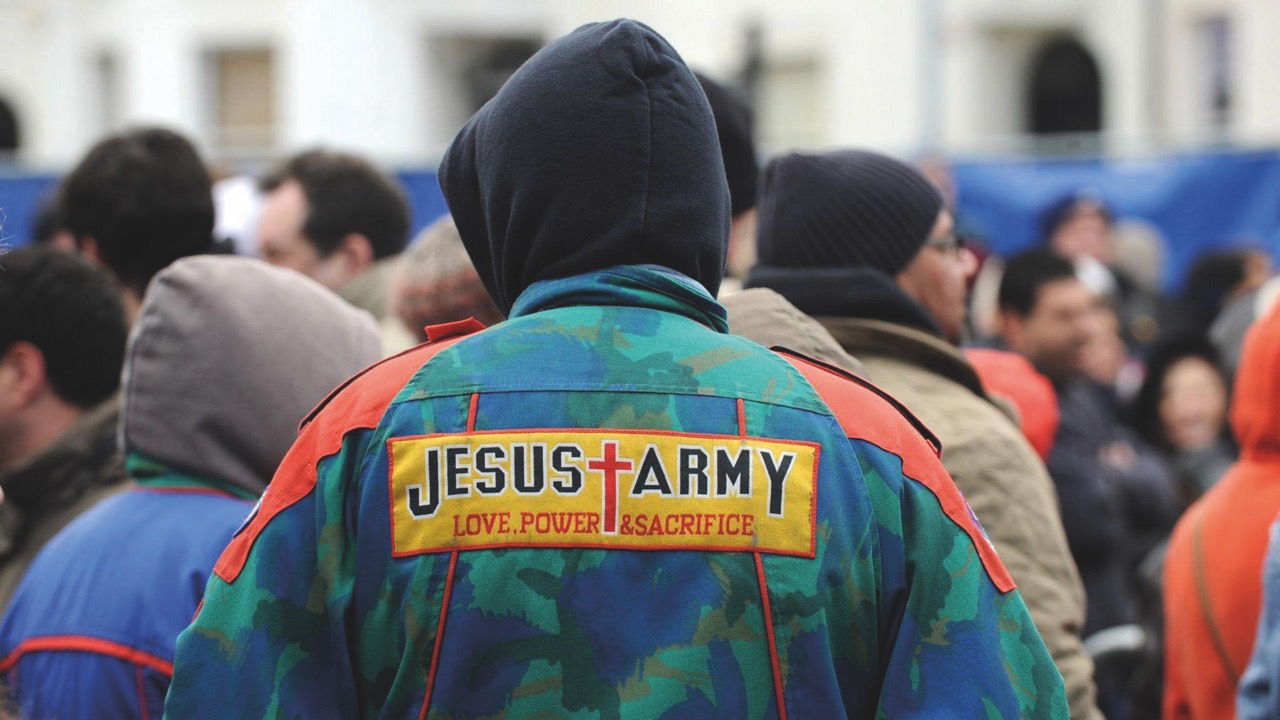
Wood’s latest documentary project, Inside the Cult of the Jesus Army, details the rise and fall of Northamptonshire’s religious cult dubbed the Jesus Army, and follows former members as they navigate life after leaving. Directing the two-part series, Wood called on former collaborator Matthias Pilz to handle the doc’s cinematography. “It helps when you’re shooting to know how the other thinks and have trust when things get tricky,” she describes.
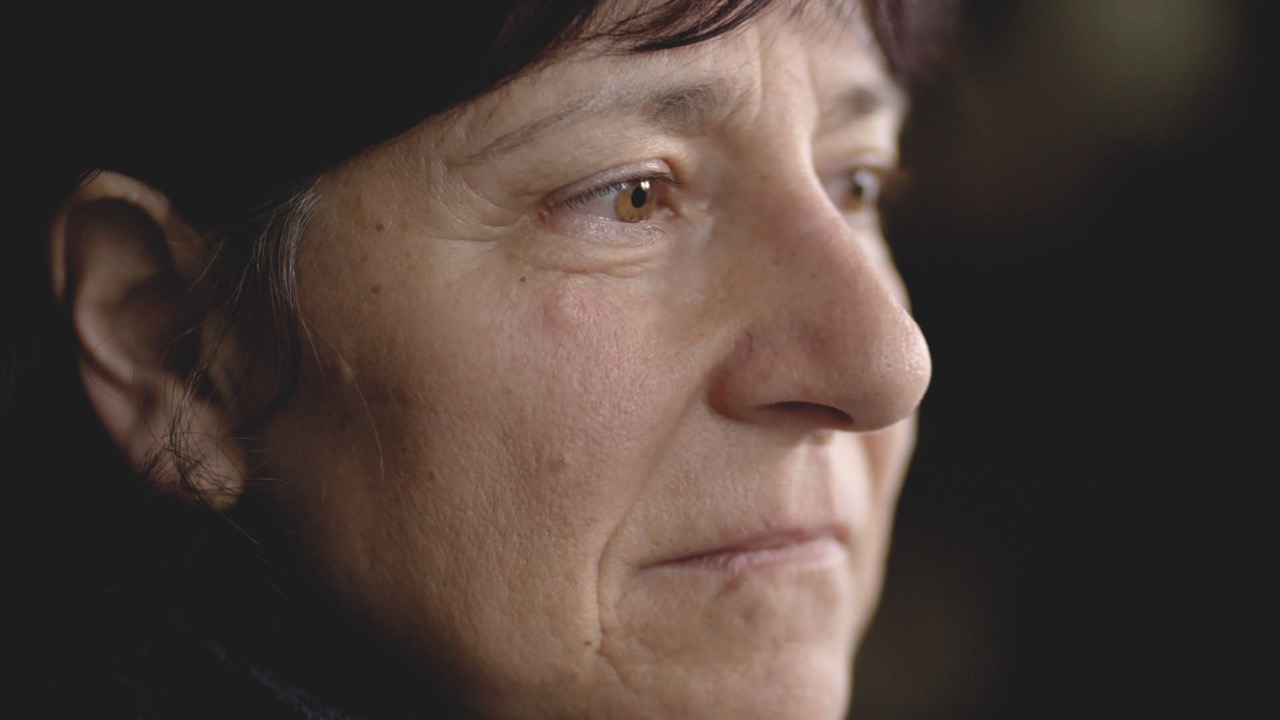
Together, Wood and Pilz developed a visual sensibility that blends English countryside idyll with eerie natural imagery. Using an ARRI camera with vintage Canon K35 zoom lenses, Pilz honoured the series’ historical context while employing visual tricks, like slow zooms, for a hypnotic effect. “You’re being pulled into the spell of this place; it’s luring you in,” says Wood. “It adds tension and a kind of beauty as well. We were particular about the lenses, look and atmosphere that we wanted to create.”
Many of Jesus Army’s main events took place in the seventies and eighties, forcing Wood to scour archival material for clues as to what happened and why. “We discovered more as we went along,” she recalls. “I had to find a visual palette that gave the same vibe. I wanted people to feel like they’re in that world.”
The series then combines this retrospection with an observational and present-tense approach. “When it comes to retrospective filmmaking, you get to stand back and think about how you want to tell the story, and it’s much more crafted,” Wood reveals. Jesus Army begins with the backstory, but much of it unfolds in real time, adding a sense of urgency and authenticity. “There’s processing going on; it’s not just someone telling me something that happened ages ago. They are coming to some quite big realisations in the moment.”
The Jesus Army officially ended in 2019, around the time Wood began eyeing the project. “That was a huge catalyst for people finally being ready to start talking,” she explains, and her aim was to invite as many perspectives as possible. “You’re being careful to factually document what happened, but then you’re allowing people to tell their own truth.” By maintaining the essence of those conversations in the edit, “I don’t have any control over the conclusion audiences come to,” Wood claims, “and I think that’s how it should be. Nowadays, everything is so black and white. The truth is often in the middle.”
Stepping into the spotlight
Nuns vs The Vatican, a film by Lorena Luciano, also explores a religious cult of sorts: the Catholic Church. Filippo Piscopo, Luciano’s partner (in work as well as life), served as the documentary’s DOP and producer. “Tackling major social issues through the tools of cinema – this is what was fascinating to me,” he shares. With a background in law and film studies, Piscopo unsurprisingly took an interest in themes such as power and oppression. “I’m drawn to the stories that expose what institutions try to keep in the dark,” he says.
Around 2019 – the same year that the Jesus Army fell – Luciano and Piscopo began exploring the idea for Nuns vs The Vatican. “After extensive investigating and networking, we met Gloria, who’s the main participant in the documentary – a former nun who was abused by a powerful celebrity priest,” Piscopo recounts. “We started with her story.”
The Vatican’s goings on are usually kept tightly under wraps, which forced Luciano and Piscopo to approach the documentary as if they were an outside observer. “All the information is kept secret, and all the proceedings are happening behind closed doors. Everyone wants to be kept anonymous,” he states. “After a long discussion, Gloria and the other nuns decided to come out in the open.”
After gathering sources, Piscopo put on his DOP’s cap. “We wanted to use a human-centred visual approach for this film,” he says. “I used natural light and captured textures enmeshed in the environment as B roll. I wanted to render the impenetrable nature of The Vatican. I’m also passionate about verité-style documentary filmmaking and using high contrast to highlight both trauma and resilience.”
Piscopo received a Canon fellowship, granting him access to a Canon EOS C500 Mark II and a selection of Sumire Prime lenses. “The painterly look that those lenses provide allowed me to render skin tones and shadows as well as translate the women’s emotions. That equipment alone helped me shape the aesthetic more than any pre-planned design.” When a scene called for more spontaneity, he traded the primes for zooms, letting him “adjust the focal length in an instant. There are situations where you have to be ready,” he adds, and the C500 Mark II didn’t disappoint.
“I’m continuously asking whether each creative decision serves our subjects’ voices,” Piscopo continues. “A documentary is not simply a work of art. It is also a tool for change.”
The world beyond the words
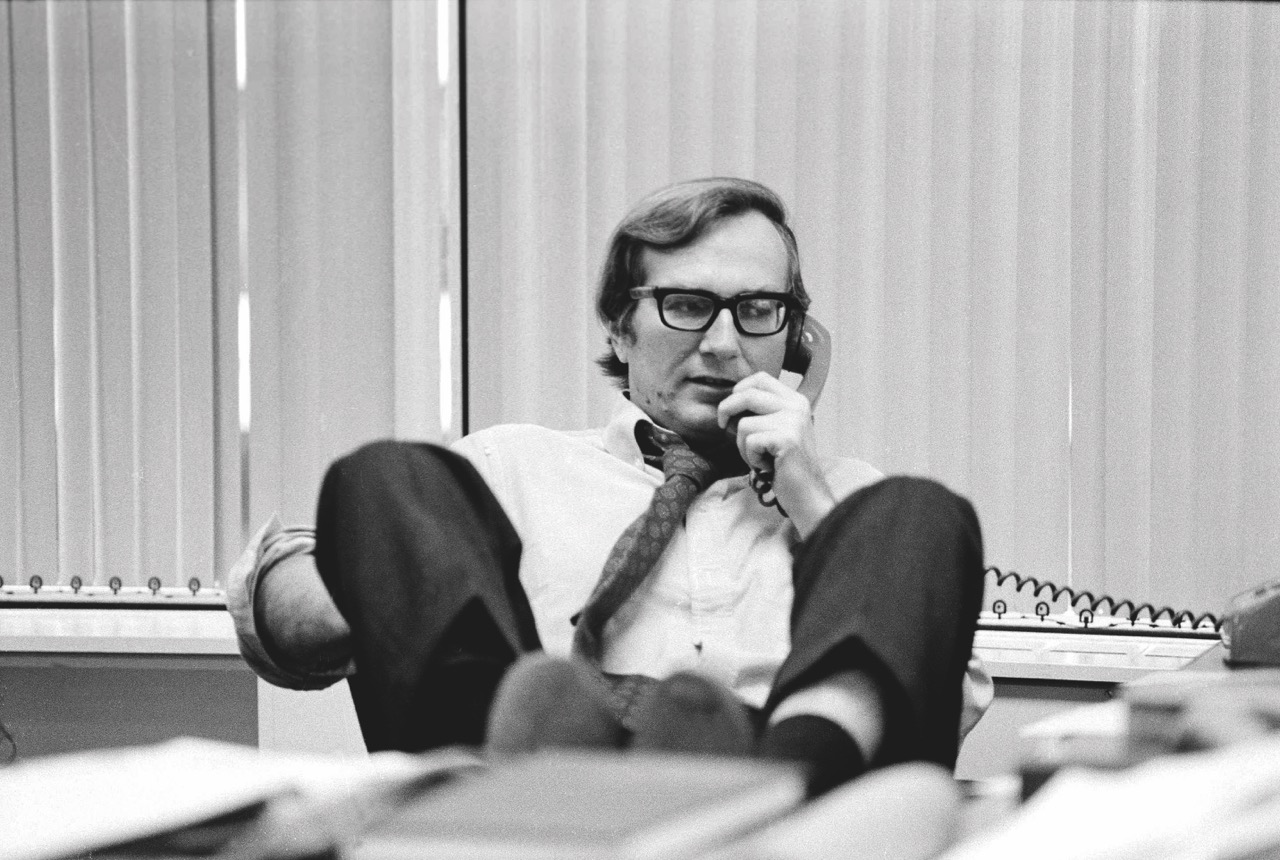
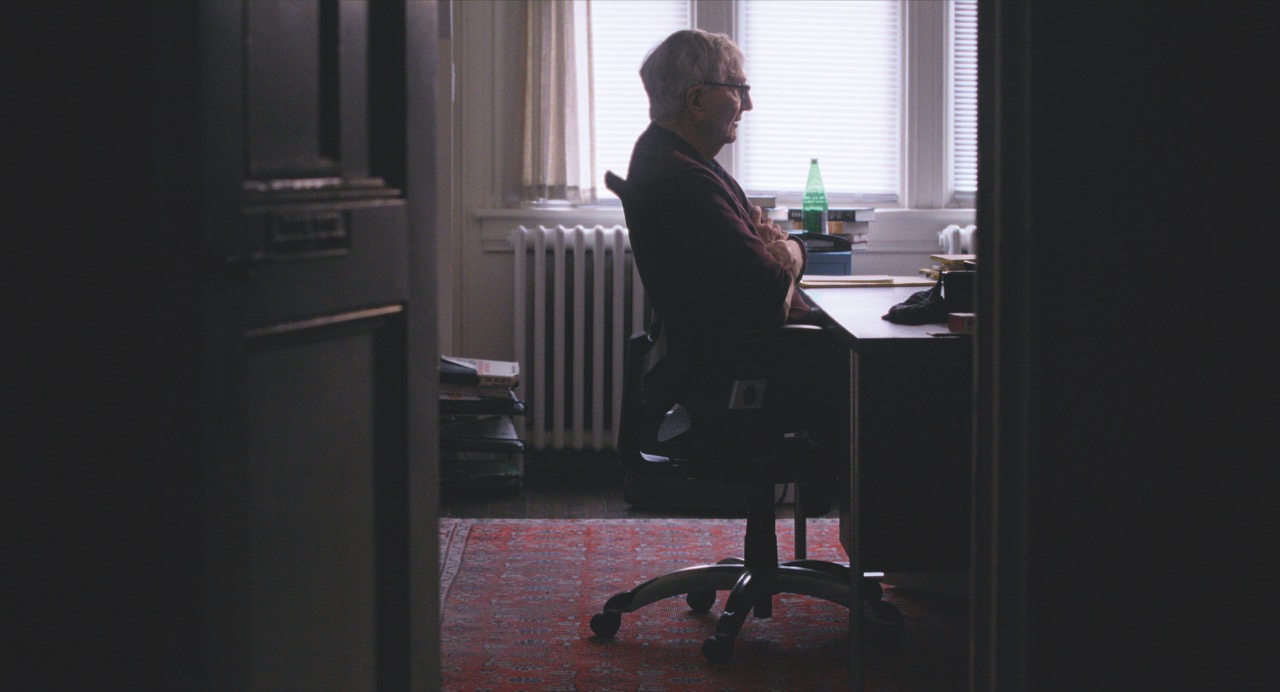
Filmmakers like Laura Poitras embody Piscopo’s sentiment. Her doc, Cover-Up, co-directed by Mark Obenhaus, lets viewers sit down with Seymour Hersh, an investigative journalist who uncovered multiple war crimes committed by the US military. Obenhaus’ stepdaughter, Mia Cioffi Henry (Sorry, Baby), was behind the camera. “It was a bit of a nepotism story,” she laughs, “but there’s something fun about saying yes to a collaboration not because it’s a job or because you think it’s going to have a big festival run, but because you’re curious.”
Originally trained as an actress and dancer, Henry fell into cinematography through ‘thinking about the world beyond the words’. This came into play on Cover-Up; “it’s important to get to the intention and build the visuals on top of that,” she explains. “We talked about how important the story is to now, how it needed to feel modern even while we were looking back on 60-plus years of a career.”
During interviews, Henry established distinct daytime and nighttime looks ‘to create a bit of diversity of image’, while the rest of the film drew inspiration from narrative features like The Conversation and All the President’s Men. “We knew we were going to shoot on long lenses and zoom lenses, and we wanted to put a lot of voyeuristic movement into them, so we ended up with four cameras,” Henry details. “We had two frontal cameras, a medium wide and a medium close.”
Hersh’s collection of documents – decades’ worth of anonymous tips and interview transcripts – also received their fair share of screen time. “We created a set-up where we could film the documents, so it wasn’t just scans,” says Henry. “There was life behind them. We photographed the documents on a black background, so they’d have a three-dimensional quality.”
Like Piscopo, Henry worked largely within the Canon ecosystem, choosing the C500 Mark II as her main camera and a selection of zoom lenses with Tiffen Pro-Mist filters. “One of my chief concerns was being able to match across multiple cameras and with our archival footage,” she adds. “Right as we were prepping, Canon released a new Raw codec, so it worked really well.”
Henry believes in the influence of cinematography, arguing each visual choice holds power. “Where and how you choose to film somebody tells the audience a lot. There’s control in that. I’m not a journalist and I’m not here to just capture; I’m here to tell a story.”
This article appears in the February/March 2026 issue of Definition