


Industry briefings: February/March 2026
Posted on Mar 9, 2026 by Admin
From workforce challenges to studio expansion and new production tools, this industry briefing rounds up key stories influencing film and television right now
Words Tabitha John & Kezia Kurtz
Behind the Lens report exposes poor industry employment standards
IMAGO’s Working Conditions Committee has published a report investigating the financial insecurity that too often accompanies a career in production. “Few industries are as misunderstood when it comes to actual working conditions as the audio-visual sector,” the intro reads. “When you pull aside this glittering curtain, a different world is revealed.”
The report details how the freelance nature of most camera work ‘opens the floodgates to exploitation’. More than half of the 496 cinematographers surveyed are self-employed. Without cross-industry standards, two-thirds of them have to negotiate their own fees, and nearly half describe often starting work without a signed contract.
Such nebulously defined work precipitates extreme hours, unpredictable schedules, unpaid overtime, abuse of power, burnout and, in the long term, piecemeal pension entitlements: 12- to 15-hour days are common and 19% said their working week often exceeds 60 hours. According to IMAGO’s former president and general secretary, Paul René Roestad, ‘fair payment for pre and post work is rare, as is fair compensation for extensive overtime’.
“What a dream it must be to work in this industry!” quips Kurt Brazda, the chair of IMAGO’s Working Conditions Committee, in the report’s introduction.
While 70% of questionees agreed ‘working conditions impact their personal life in an unhealthy way’, the report demonstrates their powerlessness to demand better. Some production companies blacklist individuals who complain, so there’s a ‘fear that standing up for one’s rights may mean losing the job’.
And freelancers can’t afford to lose a job. Two-thirds said they’d been unemployed in the past year, and 26.5% admitted doing non-cinematography work to supplement their income. An unpredictable wage packet makes filmmakers much more likely to grit their teeth and put up with poor working conditions because they don’t have the bargaining power of walking away. Add to this the fact that most cinematographers want to say yes because they love what they do, and you end up with what the chairs of IMAGO’s Diversity and Inclusion Committee call the ‘passion exploitation rabbit hole’.
The report also shows how the industry’s demographic makeup makes it harder for women to speak out. Three-quarters of the questionees are male and, while nearly half of the female cinematographers marked gender inequality as a main issue, only 4% of the men did. The odds are stacked against women’s voices before they even open their mouths.
IMAGO presented the report to the EU parliament in November 2025. They told policymakers that, given an individual’s weak negotiating power – if someone complains, they’re replaced by someone who won’t – the solution ‘needs to be systemic’. With more and more talented people leaving the profession, it’s imperative that collective representation is expanded, legal protection strengthened, negotiations made transparent and all working hours fairly paid, not swept under the rug in the name of a passion project. With the right regulations in place, IMAGO argues, crew members will be respected as ‘parents, partners and humans with a private life’ as well as skilled camera-smiths.
A new Camden Film Quarter is in the planning permission stages
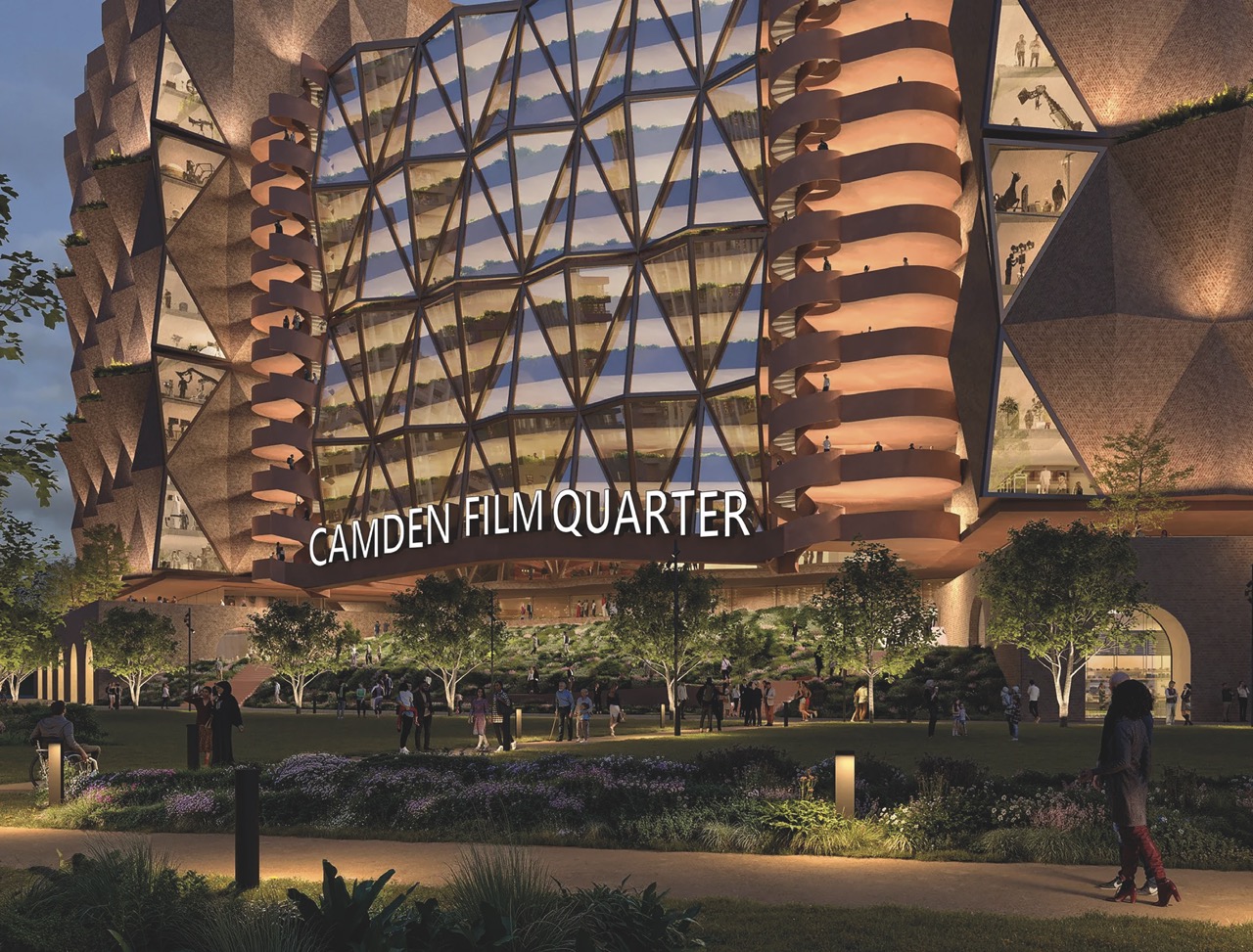
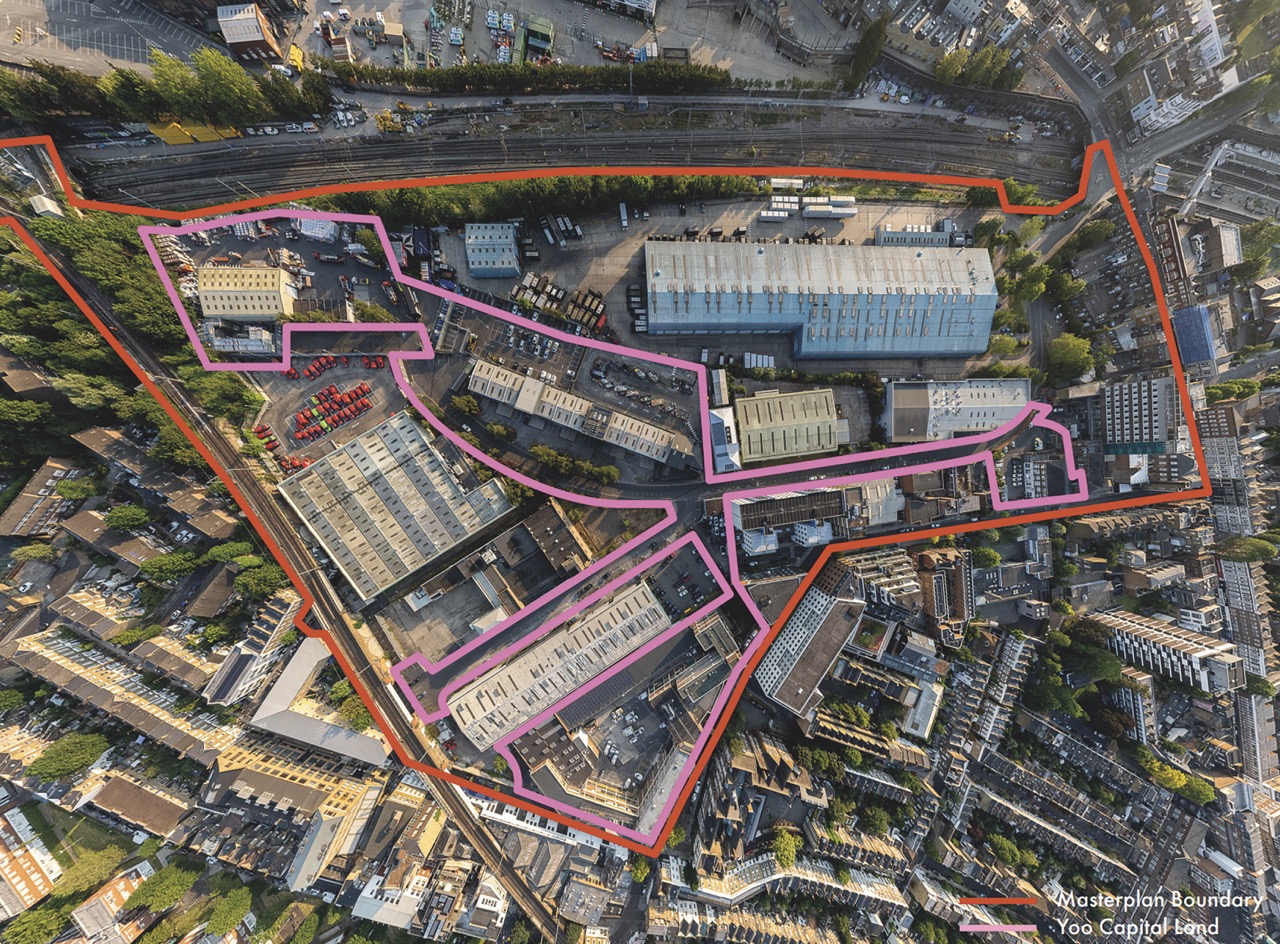
Yoo Capital is spearheading proposals to build a Camden Film Quarter (CFQ) in the Regis Road area of Kentish Town. This marks the next item on a list of projects the real estate investment company is involved in, including renovating the Saville Theatre and upgrading Shepherd’s Bush Market.
The multi-purpose space will span approximately 23 acres and house world-class film and television studios, school campuses for the London Screen Academy (LSA) and the National Film and Television School (NFTS) and infrastructure to bolster the local community, such as energy-efficient housing and public-access green spaces.
At the CFQ’s very own Camden Film Studios, filmmakers can look forward to finding rehearsal spaces, sound stages, set design workshops, hair and makeup rooms, orchestral studios, post-production suites and editing rooms, all in one high-rise building. There will even be on-site bedrooms so crew members can nap between takes. In the project’s masterplan, it’s described as a filmmaking ‘ecosystem’ in the heart of London, ‘challenging the status quo of film studios as industrial sheds in remote locations’.
The CFQ is a welcome anomaly amid current funding shortages for arts and culture across the UK. If Yoo Capital’s application for planning permission from Camden Council is successful, it will generate thousands of jobs and breathe new (albeit London-centric) life into the UK film industry, boosting its reputation on the world stage and bringing together a community of professional and student filmmakers.
TLS rehouses iconic Olympus OM Lenses
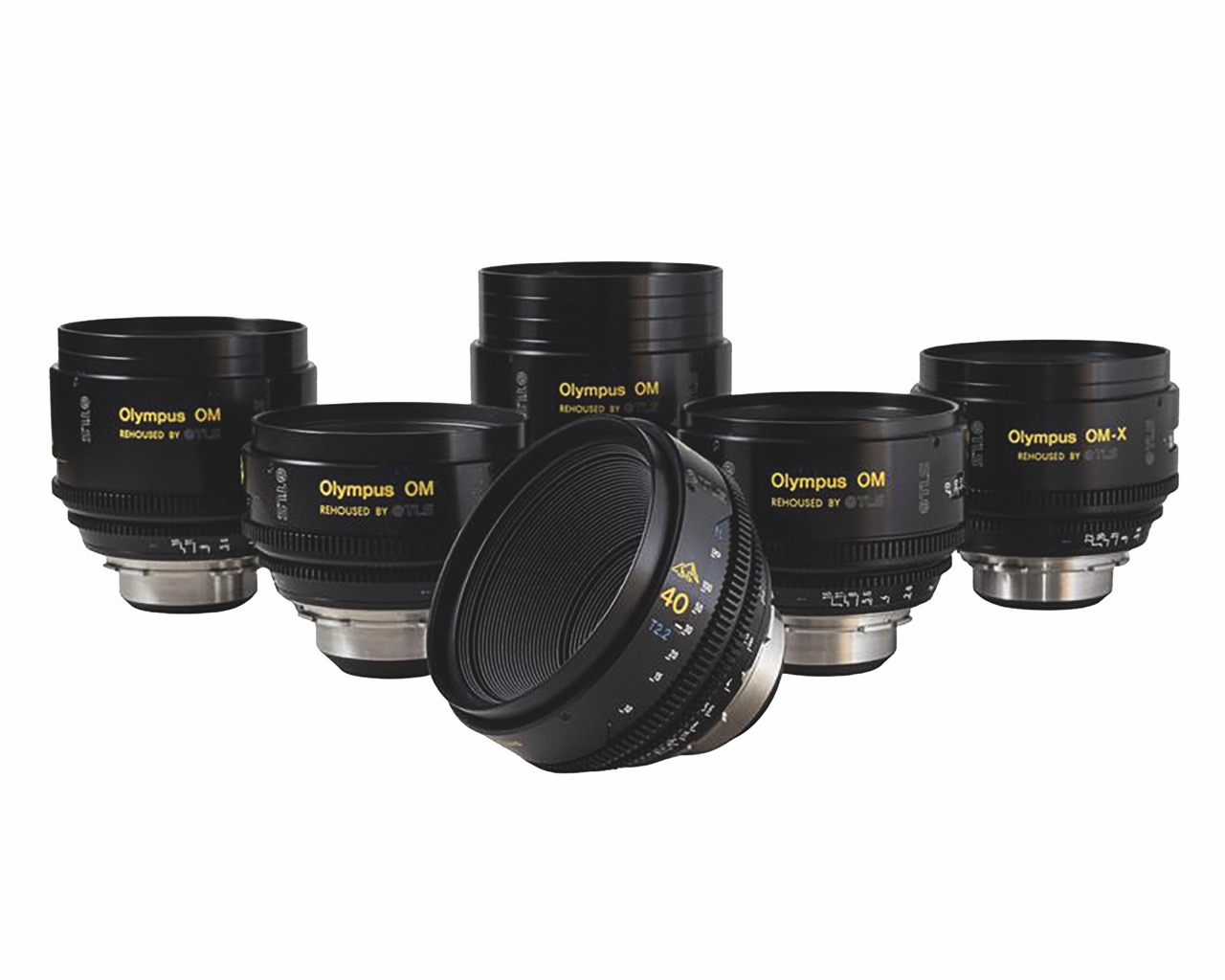
We know many cinematographers will be itching to get their hands on TLS’s rehoused Olympus OM lens range, originally designed back in the seventies by legendary lens designer Yoshihisa Maitani. Beloved for their exceptional sharpness, natural rendering and rich colour reproduction, these optics offer an organic, cinematic look and smooth contrast, making them a firm favourite. But while the lenses stood the test of time, their original stills housing wasn’t built for modern digital cinema. So, TLS has brought them back from the grave; reengineering them with cine-ready housings, preserving floating elements for consistent sharpness, adding variable focus for precise pulling and unifying mechanics across the set and, ultimately, bringing them fully up to date without sacrificing the original character. The TLS Olympus OM range spans 18-135mm and is available to purchase now.
UltraLEDS Launches Precision LED Tape
Manchester-based UltraLEDs rolls out Precision LED Tape, a high-CRI lighting solution developed specifically for pro film, TV and studio environments.
Designed with gaffers, lighting designers and TV electricians in mind, the range focuses on colour accuracy and long-term reliability on-set.
Precision LED Tape delivers a CRI over 95 with high R9 values for natural skin tones and faithful colour reproduction. With an output of up to 2700 lumens per metre and a layout of more than 240 LEDs per metre, it achieves a smooth, continuous line of light with no visible spotting – even in camera-facing or tight applications. For consistency across large or multi-set installs, each batch is sourced from a single BIN, keeping colour variation below 3SDCM. Available in IP20 and IP67 versions for indoor and outdoor use, Precision LED Tape is engineered for continuous operation and backed by a seven-year warranty.

U-turn on Marlow Film Studios build
Housing secretary Steve Reed has overturned Buckinghamshire Council’s 2024 decision against building Marlow Film Studios, a development that will boast 18 sound stages and a Culture and Skills Academy and cost £750m.
Concerns about the surrounding area stopped the council from approving the plan initially. Reed, however, argues that the pros – creating 4000 jobs and investing in technology – outweigh the cons. The proposal outlines how the site’s academy will ‘harness artificial intelligence and the digital revolution to revolutionise the art of storytelling’.
James Cameron, who wrote to Buckinghamshire Council in defence of the project in 2024, has eyed Marlow as the future base of Lightstorm3D, his company that develops innovative filmmaking tools and technology.
New initiatives from BAFTA albert
At present, UK screen industries produce a sobering 175,000 tonnes of CO2 emissions annually – nearly the equivalent of 40,000 UK citizens. So says BAFTA albert’s Accelerate 2025, a comprehensive new report on sustainability in TV and film based on 2500 productions in 2024. The report focuses on five key areas for growth: travel, energy, materials and waste, culture and data. Travel, unsurprisingly, is a particular cause for concern as it accounts for 65% of the industry’s carbon footprint, with 21% of that air travel. You can read the report’s findings at wearealbert.org
BAFTA albert has also unveiled SPARK, an industry roadmap for transitioning away from fossil fuel generators and towards cleaner power solutions by 2030. Developed in 2025 through research and consultation with industry stakeholders, energy experts and validated by independent experts from Imperial College London (via Imperial Consultants), SPARK advocates a move to hybrid generators and hydrotreated vegetable oil (HVO) fuel, as well as the phasing in of grid power, battery solutions and other clean technologies. Meaningful environmental change centres around three pillars: reduce (cut energy demand and emissions via efficient planning and equipment), retool (upgrade infrastructure and technology for clean power) and reskill (equip teams with knowledge and training to plan, budget and operate clean power solutions).
Short takes
Cine Gear Connect NY
Cine Gear returns for one packed day on 28 March 2026, this time in New York. Expect a look at the latest kit, plus a busy programme of masterclasses, seminars and networking events. Visit the website for more info as it’s released.
FilmLight Colour Awards 2025 winners
Last year marked the fifth annual edition of the FilmLight Colour Awards and saw The Brutalist, graded by Máté Ternyik, take first place in the best theatrical feature category. For best TV series/episodic, Season 1 of Disclaimer, graded by Peter Doyle at PostWorks NY, stole the show; while NUEVAYoL by Bad Bunny and graded by Dante Pasquinelli at Ethos Studio earned the top spot for music videos. For the spotlight category, Good Shot, graded by Connor Bailey at House Post, took centre stage.
iMag opens new office at Pinewood Studios
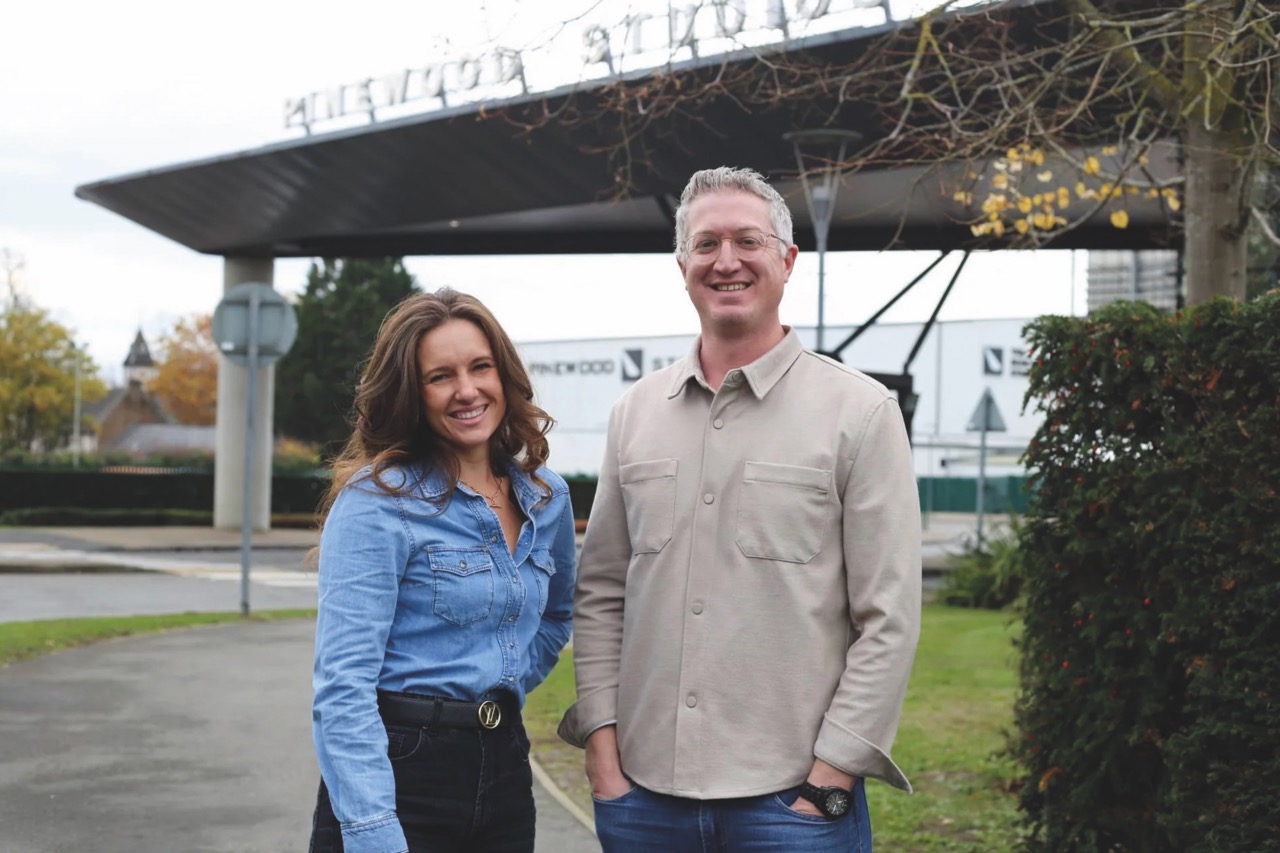
The virtual production market is expanding, supposedly reaching over $8 billion by 2030. So iMag, specialist in bespoke video and LED solutions, has opened an office space at Pinewood Studios for ‘closer support, faster responses and on-the-ground expertise’.


Want to hear about more news from this year? Read our previous industry briefings.
This article appears in the February/March 2026 issue of Definition