
From Soho to anywhere with V Studio
Posted on Feb 18, 2026 by Admin
We dig into how V Studio delivered multiple worlds for OREO Night Twist using virtual production
Advertisement feature
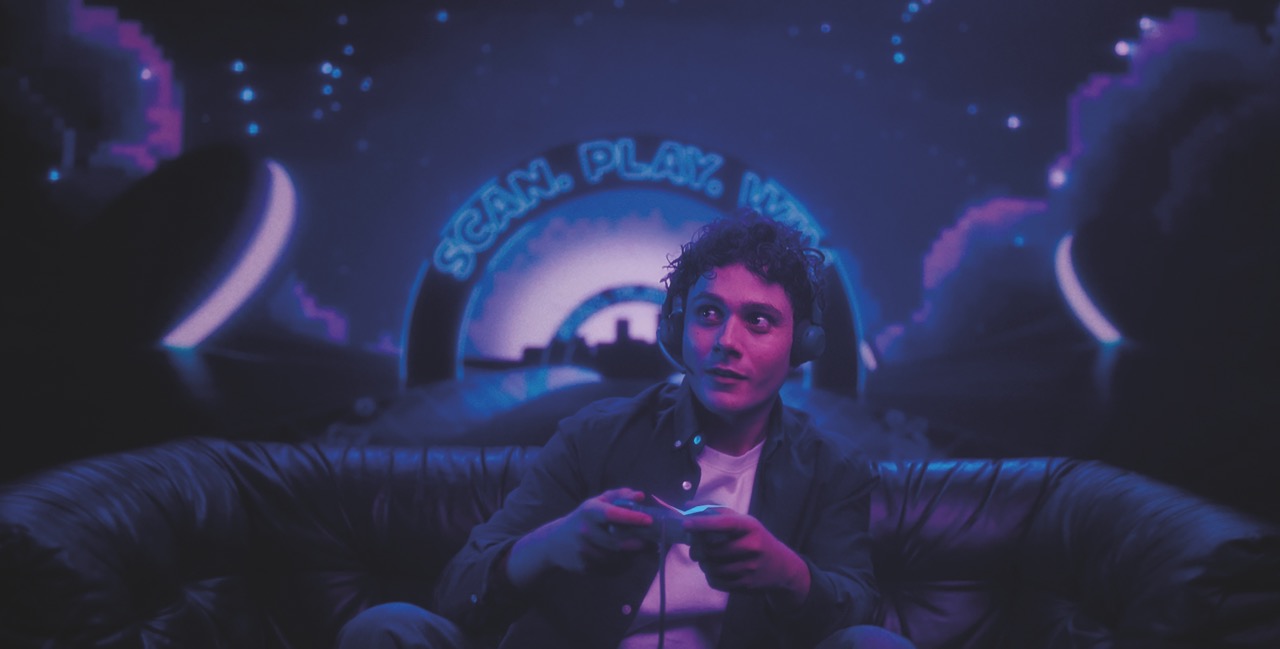
A recent ad for OREO Night Twist shows its protagonist moving seamlessly through a series of different environments, each representing an experience that could be won via the campaign’s on-pack QR game (a competition that’s now ended). Developed by Saatchi & Saatchi, the idea was simple enough, but a tight schedule, fast turnaround and little room for post piled pressure onto the workflow.
The V Studio at Film Soho stepped up to the challenge, identifying virtual production as the most effective way to deliver the concept, and kicking off with a detailed previs. “We used the V Studio’s to-scale virtual model of the stage, which allowed the team to plan camera moves, set layouts and prop placement, and test environments well before the shoot,” explains Steve Azancot, CGI art director.
“It also gave everyone on-set a clear understanding of the final ad, from the timing and camera movement to what props and furniture were required. In some cases, elements were designed to extend beyond the intended framing or interact with the LED wall content, which helped sell transitions and create more convincing visual effects.”
The shoot was designed around a single camera move, with the camera mounted on a jib rotating in an arc. This approach meant the VP content could remain relatively simple – either still images or video – while the physical props created the necessary perspective changes to sell each environment. The VP imagery had to align with the tones of the brand’s aesthetic, and was created in conjunction with the visual effects team at Publicis Production – utilising a hybrid approach to realise the concept.
“Our team leveraged its experience in VFX production and CGI, alongside our adoption of new AI technology, an approach which allowed us to meet the high expectations of our directors while remaining conscious of a condensed timeline,” shares Matt Gifford, Publicis Production’s VFX supervisor. “Using a combination of Maya and Cinema 4D for scene building and previs, with Nuke and After Effects for compositing and graphical effects, our team of AI-augmented artists were able to build a number of fantastical worlds for our protagonist to move through in a very short space of time.”
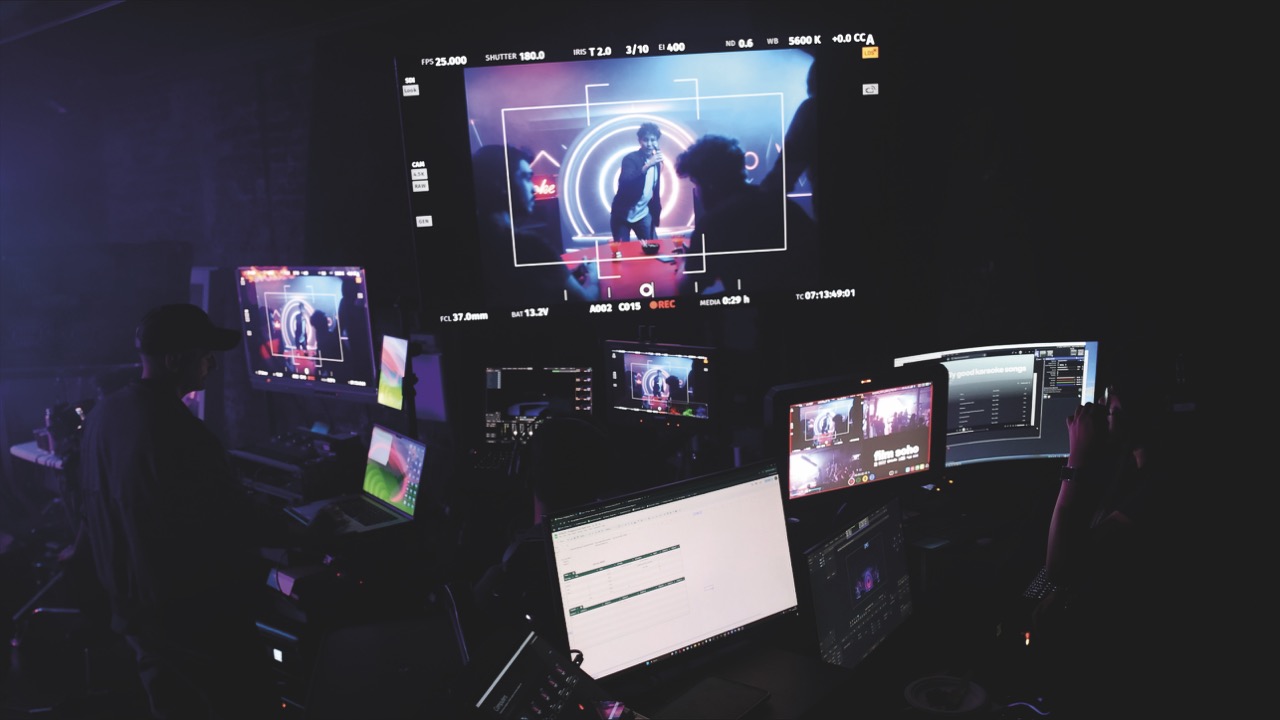
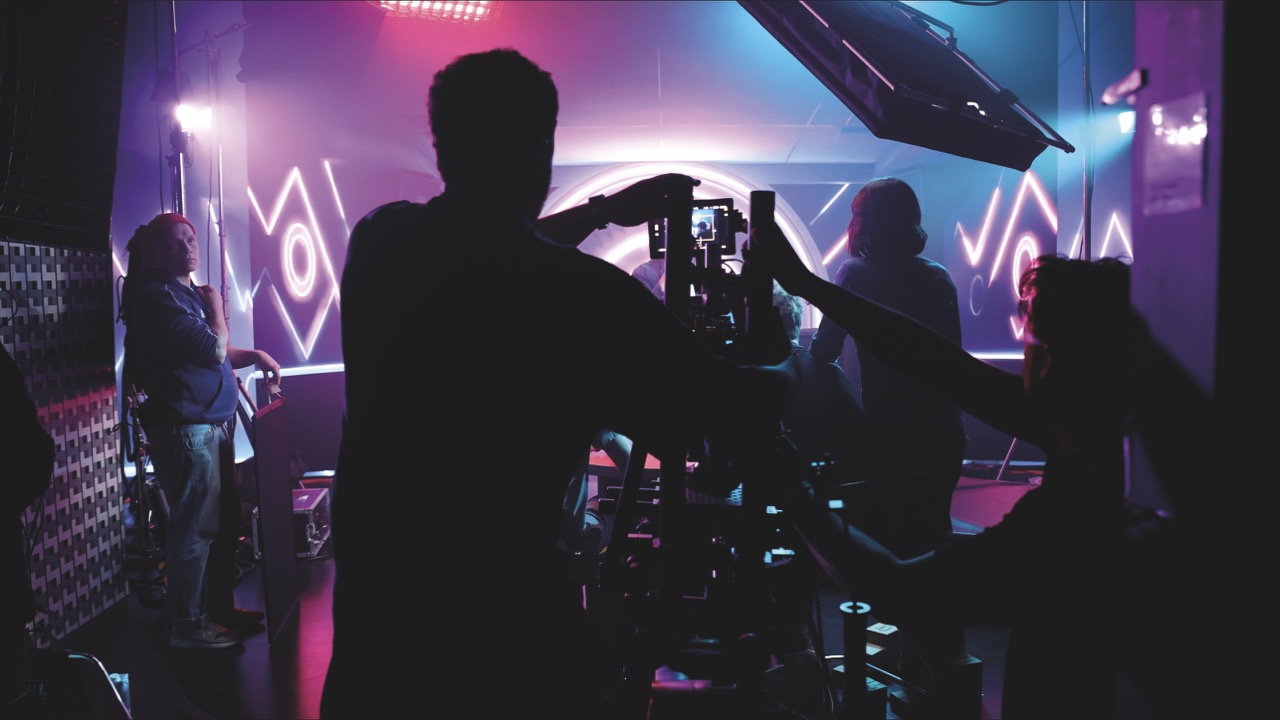
With the environments visible in real time, the volumetric stage could be approached less like a VFX set-up and more a controlled location. For cinematographer Billy Kendall, that immediacy was key.
“Working in a volumetric stage is a great experience as a cinematographer. It allows us full creative control over the image, which, especially on commercials, is something we always strive for. Unlike a classic green or blue screen set-up, you’re able to see and control the world you’re working with in real time. That lets lighting blend seamlessly to create a cohesive image.”
Tools such as Kino Flo’s MIMIK lighting systems were used to project environmental lighting from the volume itself, helping foreground action sit naturally within each scene. Vitally, VP enabled the VFX team to play a more active role earlier in the process. “We love how VP offers a creative canvas for artists,” enthuses Gifford. “Artists can now be as involved in pre-production as they are in post-production.”
Working closely with the directors, the team visualised the entire story through 3D and constructed visual backgrounds that were pre-approved before shooting began. “This gave creatives and clients a clearer picture of the director’s vision and ensured that fewer decisions were left to be resolved in post,” he adds. “This resulted in a richer visual environment that allowed talent to feel fully engaged in their space in a way that’s not possible with a traditional green screen VFX shoot.”
For Gifford, the project reinforced the value of a hybrid workflow. “We are strong advocates of this; where the outstanding talent of every on-set crew member is combined with the excellent work produced by our VFX artists,” he says.
“Our team was able to leverage the unique position of AI in conjunction with the craft of our artists to produce high- quality visuals that would not have been possible within the condensed timeline required for this project.
“This approach opens the door to new ways of working, where talented artists augmented with AI capabilities allow us to say yes to our clients more often,” Gifford adds. “Because of this, we can craft visual landscapes that are a noticeable step up compared to what was achievable just two years ago. We look forward to continuing this collaboration and strengthening the relationship between VP, GenAI and VFX.”
OREO Night Twist is a great example of how VP can be used in a simple but effective way. Through careful planning, human creativity supported by AI (only where it works), CGI (when necessary) and a strong emphasis on in-camera execution, the team created multiple distinct worlds within a tight schedule – maximising creative impact while keeping post-production lean.
Find out more at thevstudio.co.uk
This article appears in the February/March 2026 issue of Definition