

Is Hollywood changing shape?
Posted on Feb 1, 2026 by Admin
We skip across the pond to the US, where the production landscape is seeing a major reshuffle
Words Katie Kasperson | Top image Netflix
While Hollywood is closely associated with filmmaking, this once-glamorous Los Angeles neighbourhood is not the birthplace of the motion picture industry – not even in the United States.
New Jersey claims major cinematic milestones, such as the country’s first film studio (in West Orange) and drive-in theatre (in Pennsauken). In the early 1900s, it was considered the motion picture capital of America.
In the following years, the industry quickly began to move west, preferring Southern California for its mild climate and consequent cost-effectiveness. Studios started to crop up in and around Hollywood and, by the thirties, they had essentially all moved there.
A century later, and Hollywood’s golden age is long gone. Climate change is largely to blame; California faces long droughts and frequent wildfires. Coupled with an uncertain economy, filmmakers are seeking opportunities elsewhere. This mass exodus means other states are picking up SoCal’s slack, and some may even be poised to take over the industry.
Anyone’s game
Dubbed the ‘Hollywood of the South’, Atlanta, Georgia has been attracting the film and television industry for nearly 20 years now. The government passed the Georgia Entertainment Industry Investment Act in 2008, and then updated that legislation to reflect the industry’s shifting business strategies in 2025. The Peach State now offers a 20% transferable tax credit to eligible productions, plus an extra 10% uplift for ‘providing promotional value’ to the area, according to Georgia’s official state website.
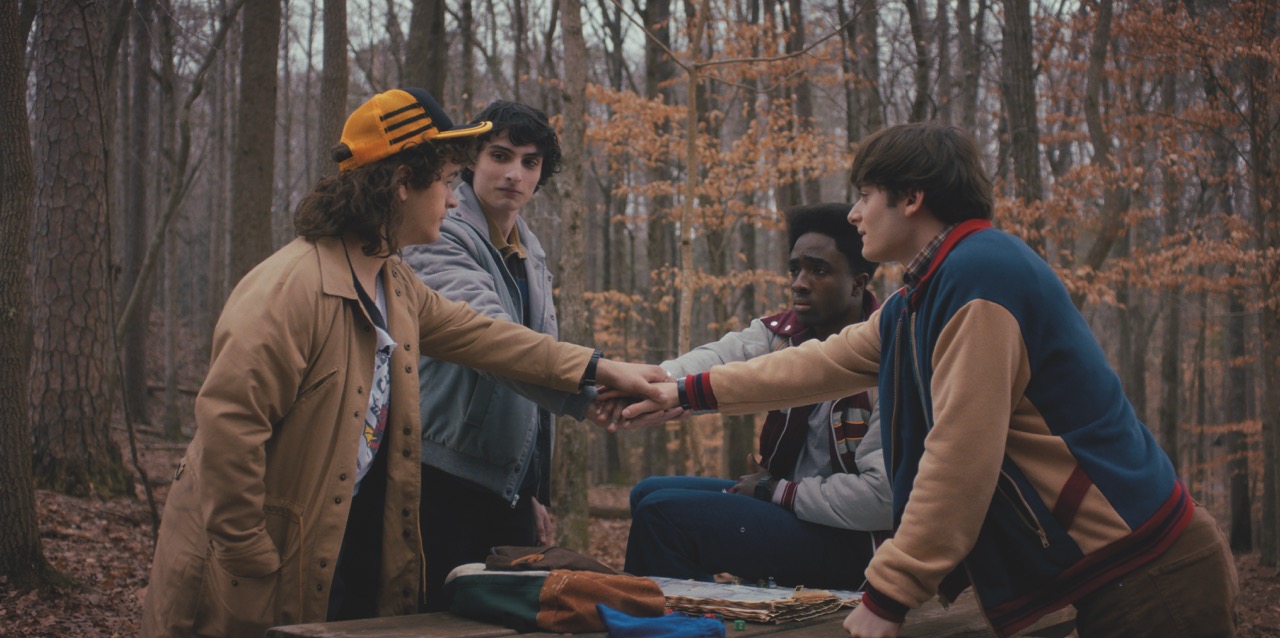
The Walking Dead, Stranger Things and The Hunger Games: Catching Fire are just a few of the productions that have put Atlanta on the map. Now one of three Cine Gear Expo locations, it rivals California and New York in its output. In the first quarter of 2025, for instance, Georgia ranked third in total production spend behind CA and NY, respectively.
Yet, by the third quarter, New Jersey had dethroned Georgia, bumping it down to fourth place in production spend as well as filming count. The Garden State has been taking an aggressive approach to pulling in new productions, offering up to 40% in tax credits, which is one of the highest numbers in the country.
New Jersey has recently garnered attention for projects like A Complete Unknown, Severance and Happy Gilmore 2, the latter bringing $152 million into the local economy, according to the executive director of the NJ Motion Picture and Television Commission, Jon Crowley. “Hotel rooms, food, gas, lumber. It doesn’t come with them,” he says. “They’re buying it here.”
New Jersey, thanks to its geographic density, provides a myriad of production locations mere miles apart. From snowy mountains to sandy shores, miniature deserts and DC lookalikes, the state’s topographical diversity lowers costs for both indies and big-budget features. Plus, it capitalises on its proximity to the Big Apple. “When you get asked for an experienced New York crew, I am like: ‘Guess what? They actually live in New Jersey,’” suggests Crowley.
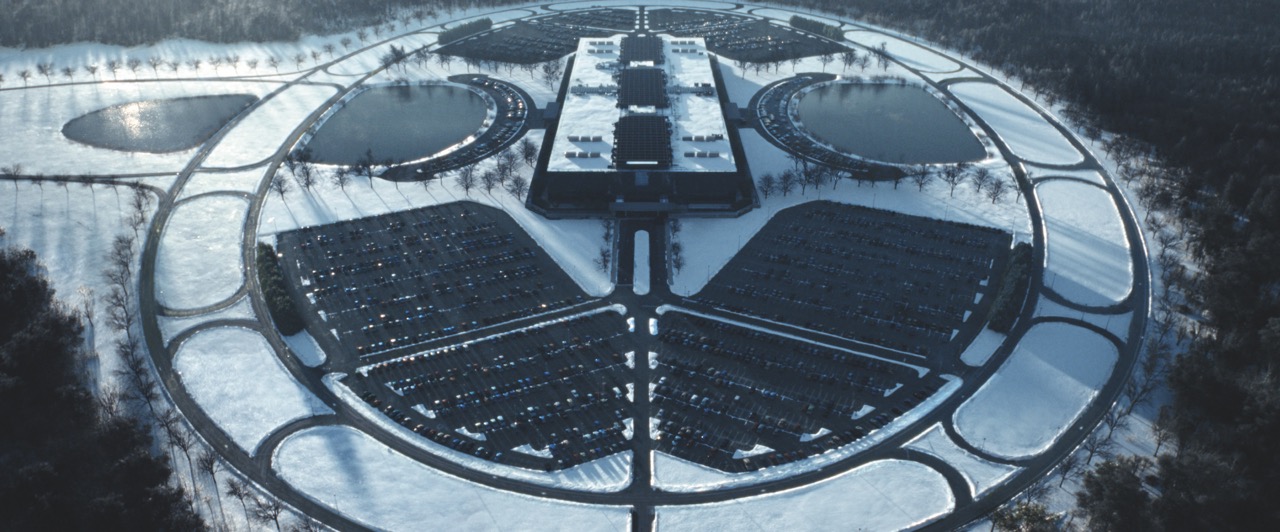
The state also boasts plenty of production infrastructure. Lionsgate operates out of Newark; Paramount Skydance signed a ten-year lease at 1888 Studios in Bayonne. And last May, Netflix broke ground on its North Jersey studio, a $1 billion, 12-stage, 292-acre facility in Fort Monmouth. It joins Netflix’s list of existing US locations in New York, LA, Atlanta and Albuquerque, New Mexico, which is another industry leader in domestic production.
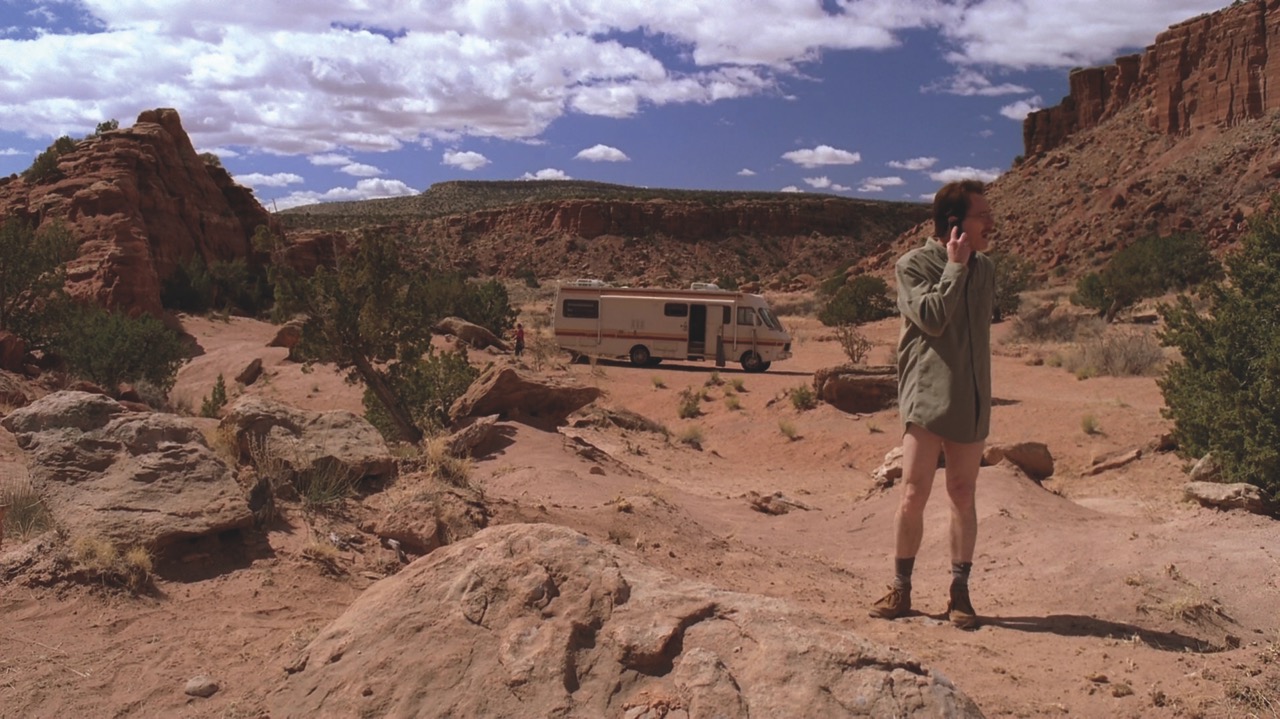
New Mexico, known as ’the Land of Enchantment’, matches New Jersey in its financial incentives, also offering up to 40% savings on certain qualified expenditures. Plus, it contains locations and landscapes that the East Coast doesn’t – clay houses, old-timey towns, ranches, canyons and the like, as well as convincing doubles for African environments or, in some cases, other planets. New Mexico’s most notable exports include Brokeback Mountain, Breaking Bad and Oppenheimer.
See ya, Sunset Boulevard
In the first half of 2025, the Golden State’s production numbers reached an all-time low: a startling wake-up call for governor Gavin Newsom.
So, in July, he signed a bill doubling California’s annual credit cap to $750 million, up from $350 million, suggesting that Hollywood could no longer rest on its laurels. The industry is taking notice, but local film commissions are not backing down either.
All 50 states have played host to film and TV productions, from Jurassic Park (in Hawaii) to John Hughes’ filmography (in Illinois primarily), with each displaying a unique strength.
But “you cannot ever assume that people know who you are or what you have to offer,” argues Crowley, making the case for each state’s self-promotion. If done successfully, ‘Hollywood’ may not be in Hollywood for much longer.
Find out more about the industry around the world in our view of Poland.
This story appears in the February/March 2026 issue of Definition