
Glass from the past
Posted on Mar 25, 2026 by Admin
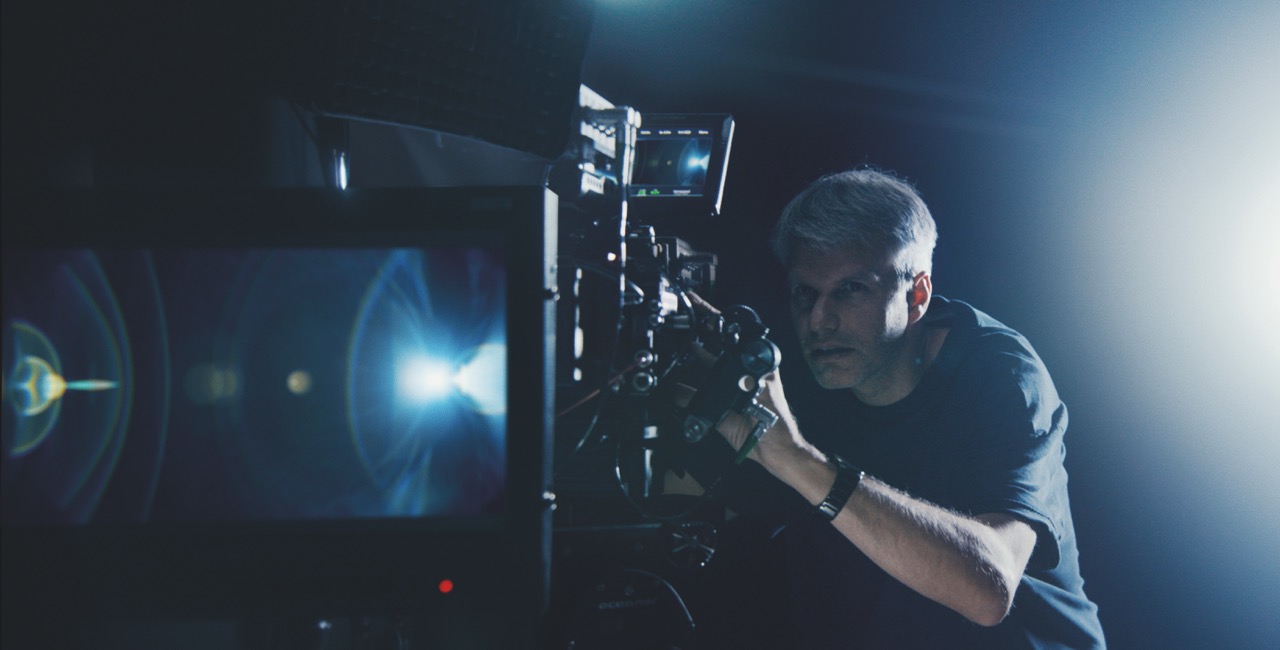
A deep dive into the world of vintage lenses – why we love them, how to find them and what it takes to bring them back to life – with TLS, TK Lenses and CINEFLARES founder Markus Förderer
Words Nicola Foley
With cinema cameras pushing ever higher resolutions and lenses engineered to the point of technical perfection, image capture has never been cleaner, more consistent or more precise. So why do so many cinematographers find themselves hankering after vintage lenses; dusting down decades-old chunks of glass and cajoling them – often via much expense and faff – into use on demanding modern-day productions?
The answer, of course, lies in the character and flair (and flare) that these lenses can bring. In an era of ultra-clean images and optically perfect glass, vintage lenses – each with their own unique quirks and idiosyncratic response to light – promise a pleasing unpredictability. Chromatic aberrations, off-beat bokeh, blooms and flares, a softness of texture; all of it combines to bring an instant sense of personality that’s enticing in today’s polished digital age – and difficult to replicate in post.
“Many of these optics were calculated and manufactured by hand, long before computers existed,” points out Thanavorakit Kounthawatphinyo, founder and managing director at TK Lenses. “They’re not ‘perfect’ in terms of precision or manufacturing quality, but those very imperfections and production techniques create a unique harmony when paired with modern digital sensors.”
He likens the appeal to that of classic cars: “Many of us grew up watching movies shot on film with older lenses, so we naturally try to replicate that look. Ultimately, it remains a niche group of people with a love for the classics, much like classic car collectors who are willing to pay the price for a specific feel.”
The interest in vintage glass is an enduring trend rather than a new craze, but there are microtrends at play too. The Petzval, created by mathematician Joseph Petzval in the 1840s and known for its swirly bokeh and sharp centre, is enjoying a resurgence thanks, in particular, to Robbie Ryan’s cinematography on Poor Things, but also seen in films including Everything Everywhere All At Once, Blonde and The Northman.
“It’s very much like a fashionable industry, and sometimes it only needs one big DOP to shoot a certain look or a certain lens, and people will tag on to that for probably two, three years until the next trend comes around,” asserts Stephen Lowe, director of operations at TLS (the company responsible for rehousing Ryan’s glass on that movie). “But there’s always been a steady increase in the amount of interest in vintage lenses overall. So while there have been peaks and troughs of certain ranges, generally the vintage, more characterful look is in – and has been on the up over the last ten years.”
Testing, testing
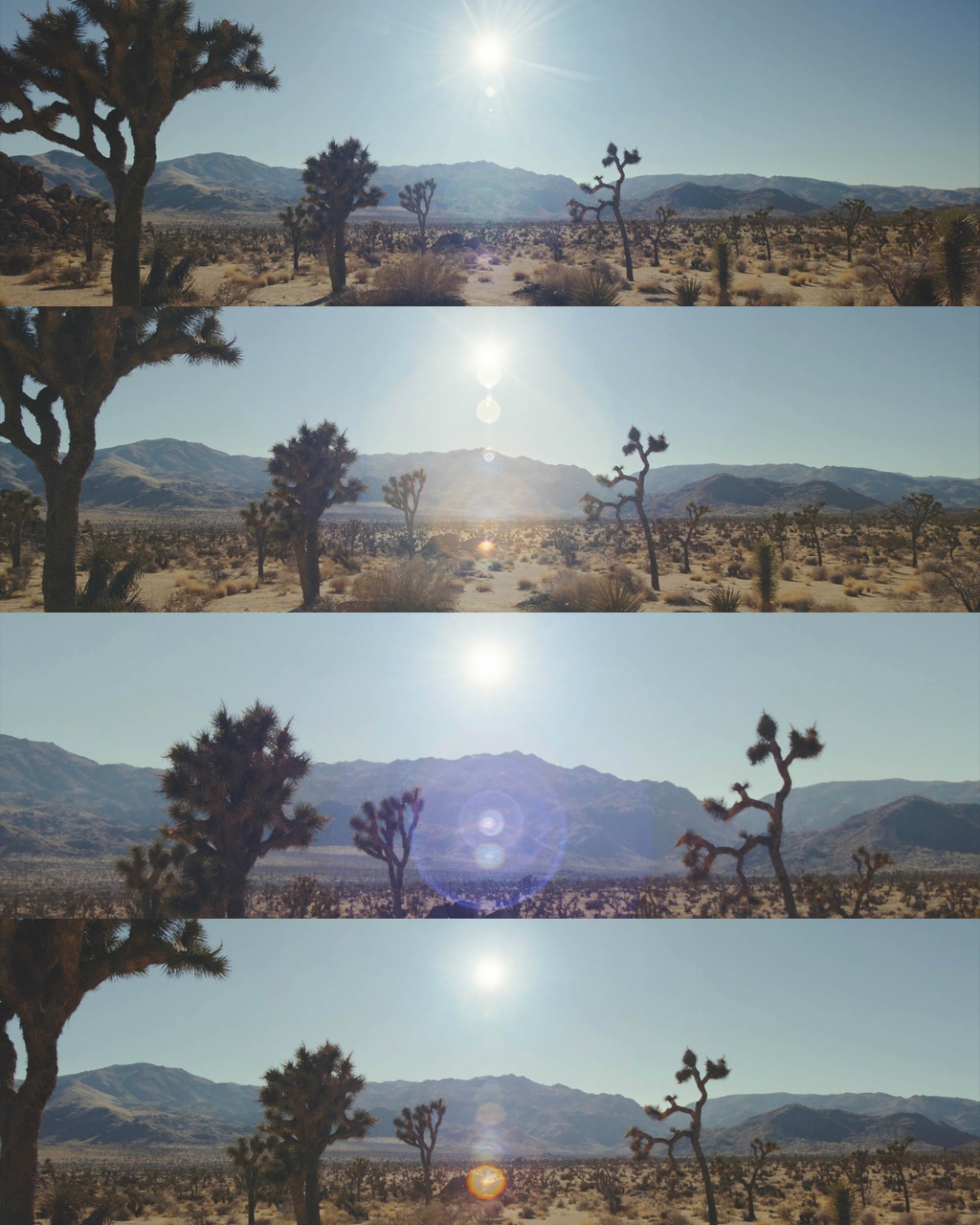
For cinematographer Markus Förderer, the fascination began on the shoot for Hell – a 2011 film set in a post-apocalyptic world where the sun burns so fiercely that daylight has become deadly. “We really overexposed and wanted to create this sensation of a hot, dangerous sun – while shooting in Germany in winter,” he describes. “This opened my eyes to the fact that when you shine a light into a lens to create flare, the light reveals its characteristics.”
This sparked an obsession with lenses and their behaviour for Förderer, who went on to create CINEFLARES, a platform allowing users to compare the visual signatures and response to light of a vast range of vintage and modern lenses. “You can search for all kinds of characteristics – say, lenses with an amber flare for a period look, and it’ll give you a list, or you can search by movie name – you could say, ‘show me the lenses that were used to shoot Dune,’ for example, and then you can select your focal length and T-stop. All of the tests are shot with motion control, and you’re given a side-by-side time-code synced player so you can see just how the lenses react to light when shot under the same conditions.”
With 115 lens sets now profiled on the site, CINEFLARES is an amazing resource with the potential to save you hours in prep. By testing lenses under identical conditions, it helps demystify some of the nuances and unpredictability, showing how flare, contrast, bokeh and aberrations behave, and how those traits can shift depending on context like day and night. “Yes, you could say I became quite passionate about lenses…” laughs Förderer. “It’s easy to become immersed. But in the end,” he reminds us, “it’s really all about finding the lens that works with the story you want to tell.”
Down the rabbit hole (and through the looking glass)
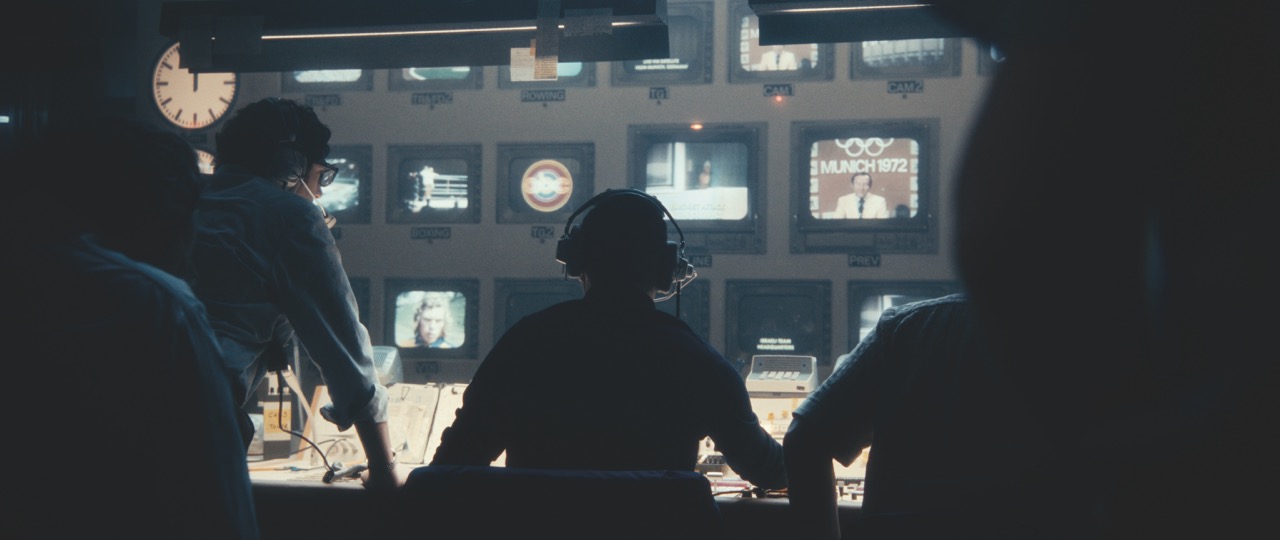
Unsurprisingly, Förderer is as obsessive about hunting down vintage glass as he is about testing it. For September 5 – which takes viewers inside the newsroom that broadcast the Munich Olympics terrorist attacks from inside the Olympic Village – he managed to track down the very zoom lenses (by Zoomar) used to capture that year’s Games; collectors’ items from the sixties that the team had retrofitted for their modern cameras.
He warns, though, that this pursuit of authenticity through period-accurate lenses doesn’t always give the desired result. “Often I find that the lenses from a certain period don’t quite look as you’d expect – or like the image you had in your mind – especially as they were often used in conjunction with film. It can make sense to take a broader look and go for a modern lens set that has characteristics that suit what you want. Or you might have to go even older, more vintage, to hit that sweet spot.”
Förderer scouts out trade shows for new releases and often pops into his favourite rental houses to try out lenses. For something rarer (like the Zoomars), “I often go down the eBay rabbit hole”, he chuckles. “There are so many cinema lenses out there – but there are also some really interesting lenses that were made for stills that are so unique. Often I will think – this lens for 50 bucks on eBay looks more interesting to me than a $50,000 lens that was manufactured today.
“I find myself asking – why is this?” he continues. “Has this push for perfection in optical design led to something that becomes big, heavy and expensive to make? Sometimes simplicity is the right thing to go for.”
For Gavin Whitehurst of TLS, while the mechanics of cine lenses have undeniably got better and better (a necessity due to the equipment they’re being used with), in the world of stills lenses frequently rehoused for cinema, ‘some of the housing actually got slightly worse’. He adds: ”They used to be more serviceable, like the old FD housing, and then they went to quite a plastic housing, which wasn’t quite as serviceable.
“The glass has generally carried on getting better – as close to perfection as it can be. Which is great if ‘perfection’ is what you want,” he continues. “If you want something different artistically; maybe the fall-off towards the edges, something different with the coatings – well, they’ve lost variety. It’s very hard now to tell the difference between a lot of modern glass.”
If you fancy going down an eBay rabbit hole of your own in search of something a little funkier: “You have to buy several copies of that same lens, especially if you plan to rehouse,” advises Förderer. “There are so many differences that they can have – it might just be a different serial number or letter in the name, and it might have a different coating or optical formula. Get two or three copies, test them and maybe sell the others so you find a consistent set and the look that you’re after, as just the lens name doesn’t tell the whole story.”
Making vintage viable
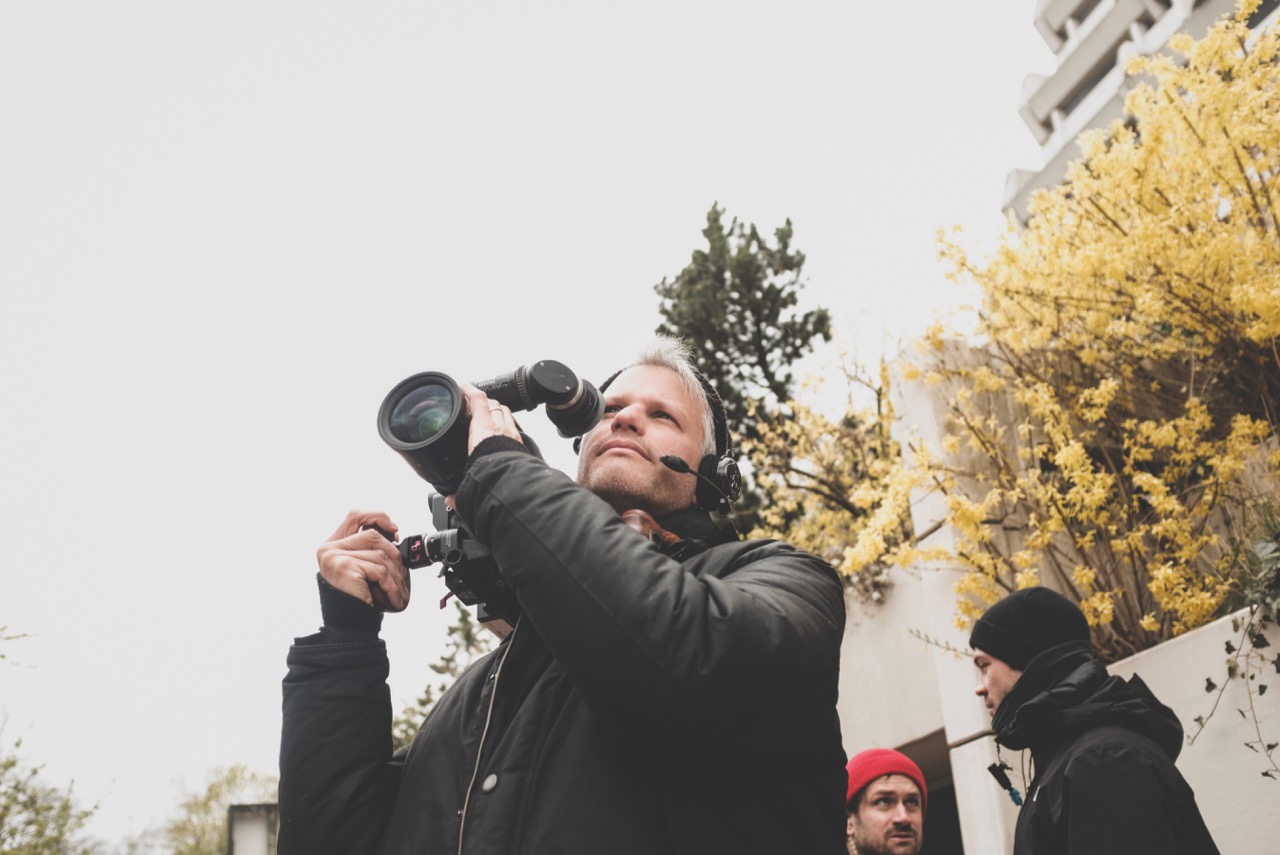
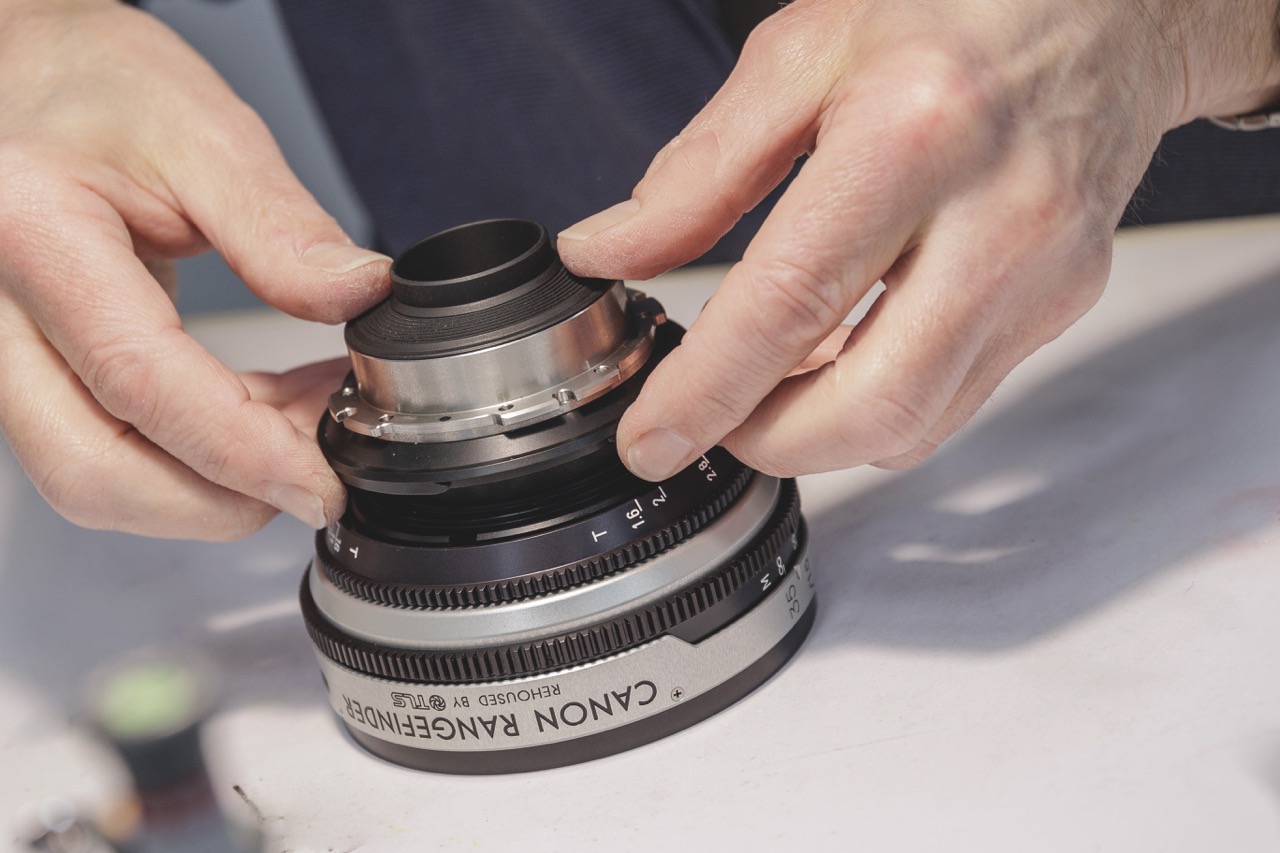
When it comes to making a vintage lens usable in a modern production setting, with standardised mechanics, mounts and controls that work with today’s cameras and focus systems, you’ll often need to look at rehousing. It is possible to attempt this yourself if you’re brave – Förderer has tried it, but concedes: “I think you really need to know that if you’re taking a lens apart or modifying something, you need a specialist.
“There are amazing companies now like TLS in the UK, Zero Optik in LA and TK Lenses in Thailand. Rehousing is expensive but it’s an investment that hopefully gives them a long life. Cameras come and go, but the lenses can last generations, especially if you have lenses that cover full-frame sensors.”
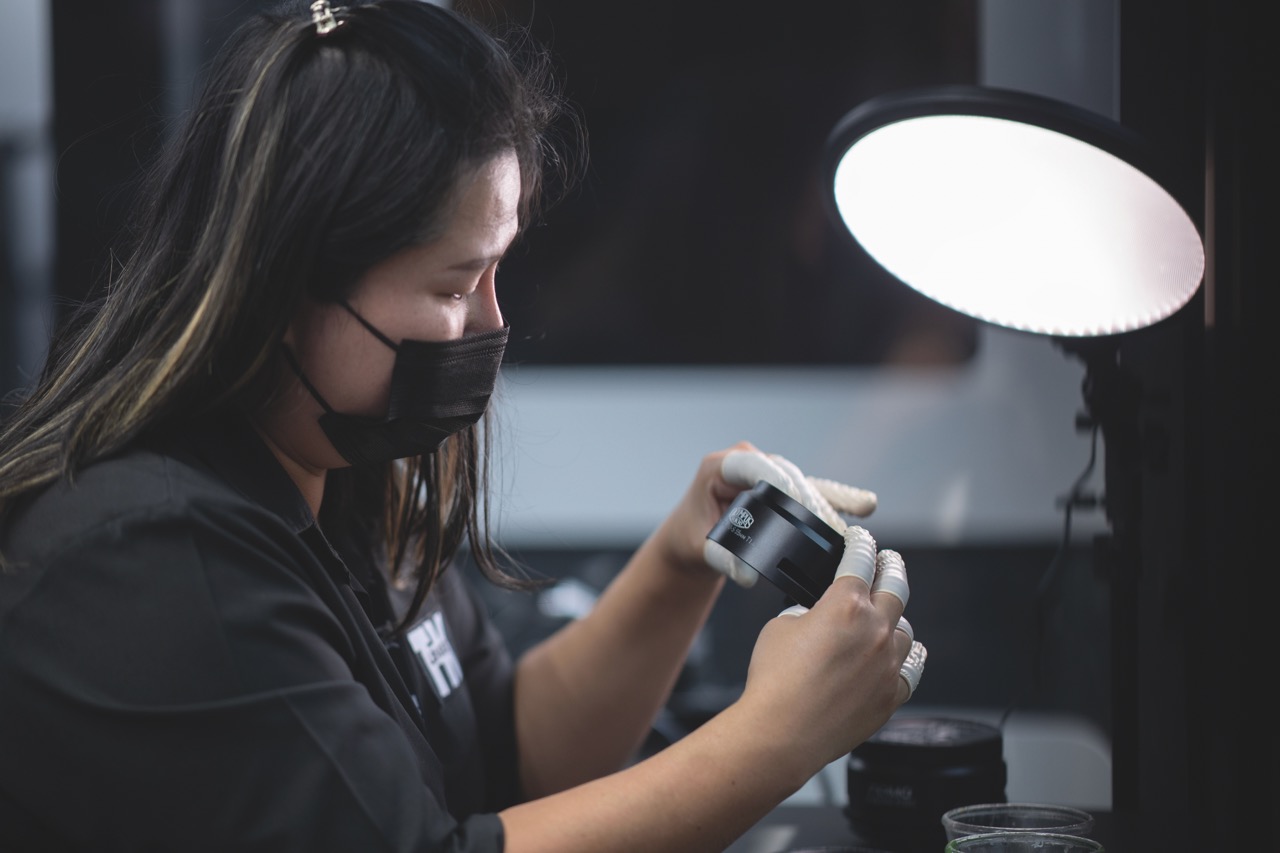
Kounthawatphinyo has an inside view of the process. His company operates from a small workshop in Bangkok, specialising in lens rehousing and custom mechanical work for cinema use. His main customers are small-to-medium rental houses, due to the expense involved in the rehousing process. “Assembling a complete set is not just about finding the complete focal lengths; you also have to consider the condition of the glass and whether the colours match. Even lenses produced around the same year can have different colour rendering, so finding a colour-matched set takes a long time. In many cases, the rehousing process costs more than the donor lens itself. This limits the market, meaning over 80% of our clients are rental houses.”
Their motivation is drawing business from cinematographers who love the vintage look but can’t justify a rehousing project themselves. Occasionally, TK Lenses gets a commission from an individual owner brandishing an off-beat lens they just love the look of and want for long-term use – a Meyer Optik or Carl Zeiss Biotar, perhaps – but mostly the rental firms are their bread and butter.
For Leicestershire-based TLS, which is one of the world’s top specialists in the field of converting, servicing and repairing lenses for film and TV, around 90% of business used to come from rental houses when they first started offering the service, “but it’s evening out more now,” says Gavin Whitehurst, MD. “We’re seeing a lot more DOPs wanting their own sets, as well as putting them on consignment – again with the rental houses – but that mix is really changing at the moment.”
Inside the workshop
The rehousing process can throw up many challenges – which the teams at both TLS and TK Lenses are intimately familiar with. One issue is that the people commissioning the projects have, to put it plainly, unrealistic ideas of what can be achieved.
“You have three options: fast, good, and cheap – the project management triangle – and you can only pick two!” quips Kounthawatphinyo. “You simply can’t have all three simultaneously, and many people struggle to understand this. They truly believe that regardless of the price, the quality should be identical. They believe an inexpensive rehousing service should offer the same quality as a high-end one, which is just physically impossible. The design involves complex technical hurdles, and even engineers often disagree on solutions.”
“Filmmakers don’t realise the amount of work that goes into the assembly of these lenses,” agrees TLS’s Stephen Lowe. “Whenever we host an open house, or we show DOPs around, they are blown away with the level of detail and personal time that goes into the build of each one of our lenses. When they see every little detail of the job that goes into it, they then understand why it costs that much to have the work done.”
The first thing you need is suitable donor glass – deep scratches, haze or fungus can make your project a non-starter. Coating damage can also be an issue, because while “you can polish and recoat if it’s not too bad,” says Whitehurst, “the problem is that you’re taking off that vintage coating which is exactly what people love and, unless you can replicate that, you’re going to be altering the lens in some way, leading to a different result.”
Beyond optical condition, there are also fundamental design limitations that can be overlooked. Many lenses that people hope to rehouse were originally designed for stills photography, not cinema use, meaning they may not be parfocal or mechanically suited to cine operation. While the image might look appealing, the internal compensations and focus behaviour can make it very tricky to translate into reliable cine mechanics – sometimes to the point where the desired shots simply wouldn’t be achievable at all.
Fungus isn’t always fatal for Förderer, who admits that sometimes he’s found the effect of (light) fungus ‘quite cool’, but in the majority of cases it’s bad news, and can drastically impact a vintage lens’ performance and worth. Ultimately, the mechanics matter less as these can be completely stripped out and replaced during rehousing, however glass in good condition – that produces an image you like – is a must.
Challenges & compromises
Beyond managing expectations, the physical realities of rehousing present a web of technical constraints that can quickly derail a project. One of the first is coverage. As TLS’s Gavin Whitehurst notes, a lens behaving well on its intended format doesn’t necessarily translate cleanly to larger sensors. “Just because something is designed for a certain sensor size, doesn’t mean they won’t cover more,” he explains. “And then when you do use it on that larger sensor… you get a different lens, so you’re going to have probably more aberrations towards the outside.” For some cinematographers that character is desirable, but it needs to be understood upfront.
Whitehurst thinks, though, that there is a growing lens literacy among DOPs. “Probably ten years ago… quite a few didn’t understand that the iris shape had a lot to do with the shape of the bokeh,” he continues. “And now pretty much every DOP will know that. They’re very knowledgeable about vintage lenses these days.”
Where rehousing becomes especially demanding is with more complex optical designs. “The single, most difficult thing is when you’re working with a complex floating element lens,” explains Whitehurst. “You have to replicate the exact movement of the glass inside. If you don’t do that, then the image will deteriorate.” The challenge escalates further with wide-angle designs and with limited space near the film plane: “Combining those two things is probably the most difficult thing that our team will do mechanically.”
At TK Lenses, the difficulties often begin before the engineering even starts. “The first challenge is simply disassembling a donor lens,” explains Kounthawatphinyo. “Many of these lenses are several
decades old, and the thread-locking glues have hardened like rock.” Some were never intended to be serviced at all, meaning seized threads or stripped screws are common. “Forcing mechanics could permanently damage the delicate glass elements inside,” he says, adding that in some cases ‘we simply can’t disassemble a lens safely’ and have to ask the client to source another copy.
Once inside, rehousing becomes an exercise in reverse engineering and in manufacturing reality. “The biggest engineering challenge is the relationship between design and manufacturing,” Kounthawatphinyo muses. Lens components demand complex multi-axis machining, and while keeping parts in a single set-up offers the greatest accuracy, machines capable of doing everything at once are ‘incredibly expensive’. As a result, compromises are unavoidable, and precision is absolutely key. “Once assembled, we need to maintain concentricity within 25 to 35 microns,” he notes. “For context, a human hair is between 50 and 120 microns!”
There are also hard physical limits on what can be rehoused at all. TK primarily works to PL mount, and lenses designed for mirrorless systems or rangefinders often have back focal distances that are simply too short. “If the lens is wider than 51mm, it’s physically impossible to fit,” Kounthawatphinyo explains, particularly once focus and iris mechanisms – and the long focus throws cinematographers expect – are factored in.
Even when a lens can be rehoused, filmmakers often underestimate the nuances of mechanical optics. “Many assume that if the mark says 1ft, it must be perfectly sharp at 1ft with zero deviation,” says Kounthawatphinyo. “That’s just simply impossible.” T-stops can also be misunderstood. Measured at infinity, they shift as focus moves closer, and two identical lenses may transmit different amounts of light due to age, coatings or condition.
Saturation point?
After a period of intense interest, those on the ground believe the rehousing market has begun to level off. “About three or four years ago, it was booming,” says Kounthawatphinyo. “Now, it has started to stagnate.” Part of that slowdown is simple saturation: many high-end players invested in rehoused lens sets years ago, and the market is now awash with existing vintage options. Meanwhile, shifts in production economics have hollowed out lower-budget work.
“Newcomers to the industry do not feel the need to spend money on expensive rehousing,” he says. “They are content using the lens ‘as is’ or with a simple cine mod.” Still, Kounthawatphinyo firmly believes that rehousing itself isn’t going away. “Lens rehousing has been around for 40 or 50 years… and I don’t think it will disappear permanently. The demand will simply shift forms.”
At TLS, a shift is already underway. “There’s certainly more vintage lenses around – we can’t deny that. But if you choose the right range that’s distinctive enough and gives something different, then there’s plenty of room left in the market,” posits Whitehurst.
He also points to the gaps vintage glass struggles to fill – particularly fast, wide lenses – which is partly what’s led TLS to look beyond restoration alone. In its 25th anniversary year, the company is expanding seriously into original lens design, beginning with the Vega65. “We’re moving from restoration to creation,” explains Richard Grocott, director of sales and marketing. Drawing on TLS’s stellar heritage, the aim is to blend modern mechanics with optics inspired by vintage character – ‘the sort of thing DOPs love and seek out in vintage glass’ – while addressing the demands of large format platforms like the ARRI ALEXA 65 and beyond.
Having expanded in-house design capability and added a new studio space for collaboration and testing, Grocott is excited for TLS’s next chapter. “We’ve earned this expertise and trust in our past, but we’re thinking about the next 25 years. This feels more sustainable, scalable and in demand – and we’re trying to lead the way.”
This article appears in the February/March 2026 issue of Definition