
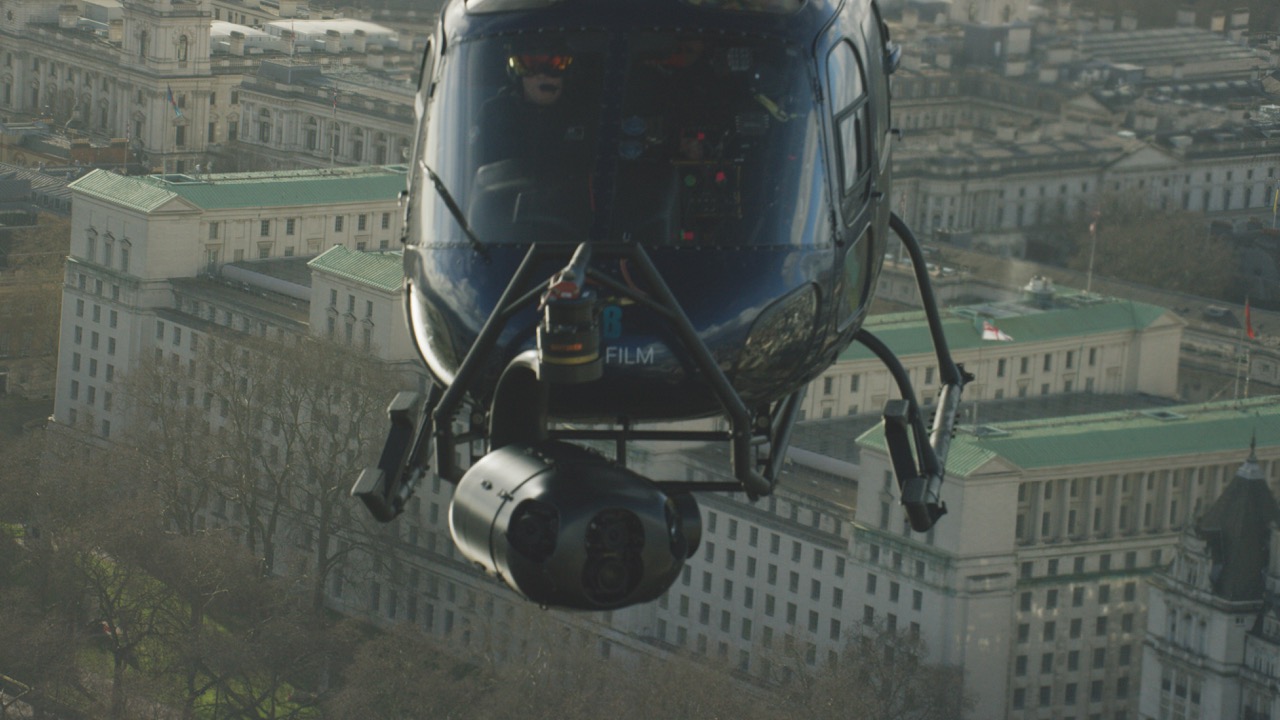
Aerial filming round table
Posted on Mar 18, 2026 by Admin
Two leading specialists sit down to discuss the latest innovations in their field, where the tech is headed and how to get the best aerial shots for your project
The panel
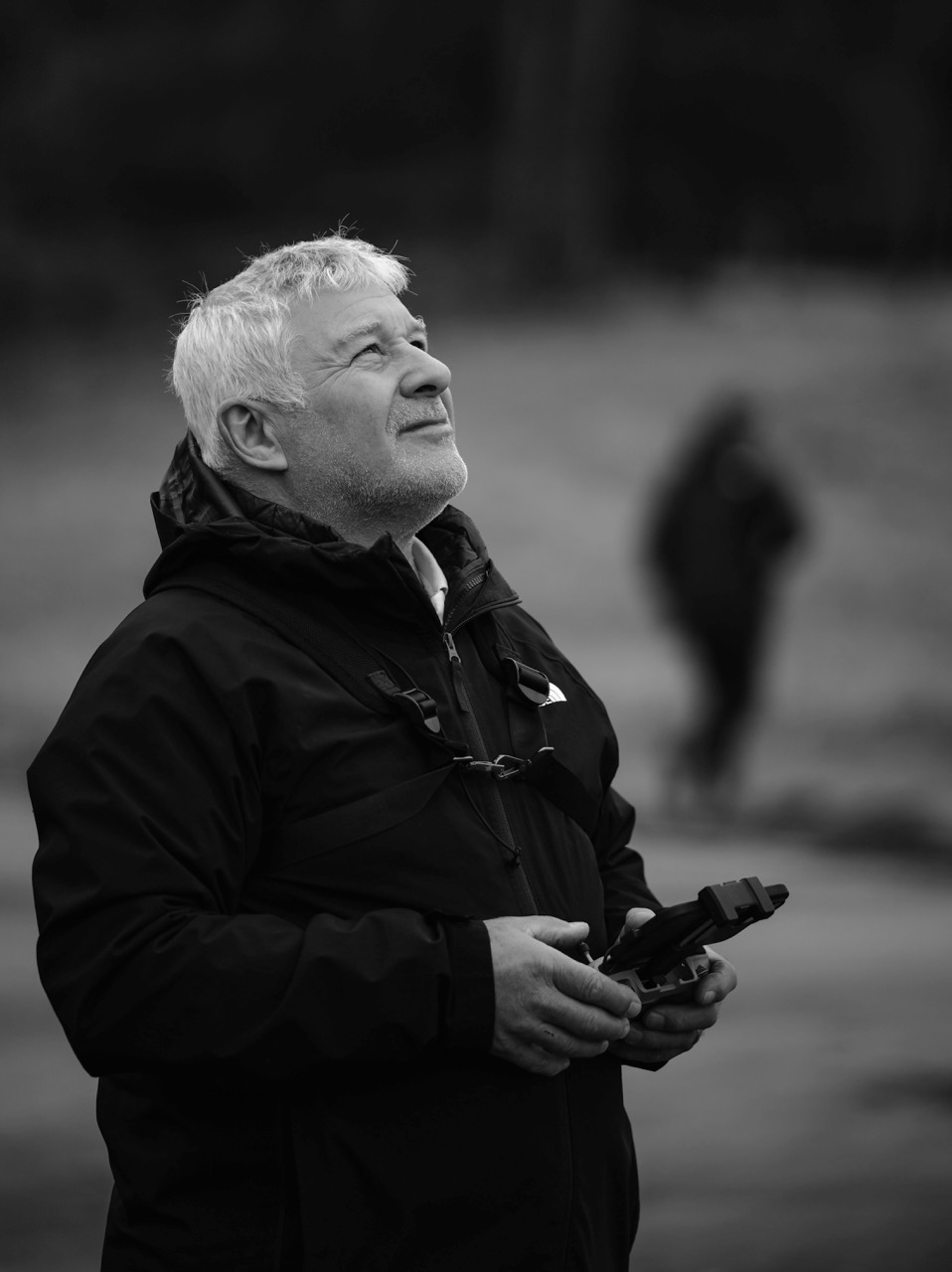
John Marzano
Director of Marzano Films
Marzano has been in the industry since the earliest days of modern aerial cinematography, building a career that now spans more than 35 years. An associate member of the BSC, he leads a specialist team delivering premium aerial imagery via drones and helicopters. With over 300 feature film and high-end television credits, Marzano Films is regarded as a world leader in aerial cinematography.
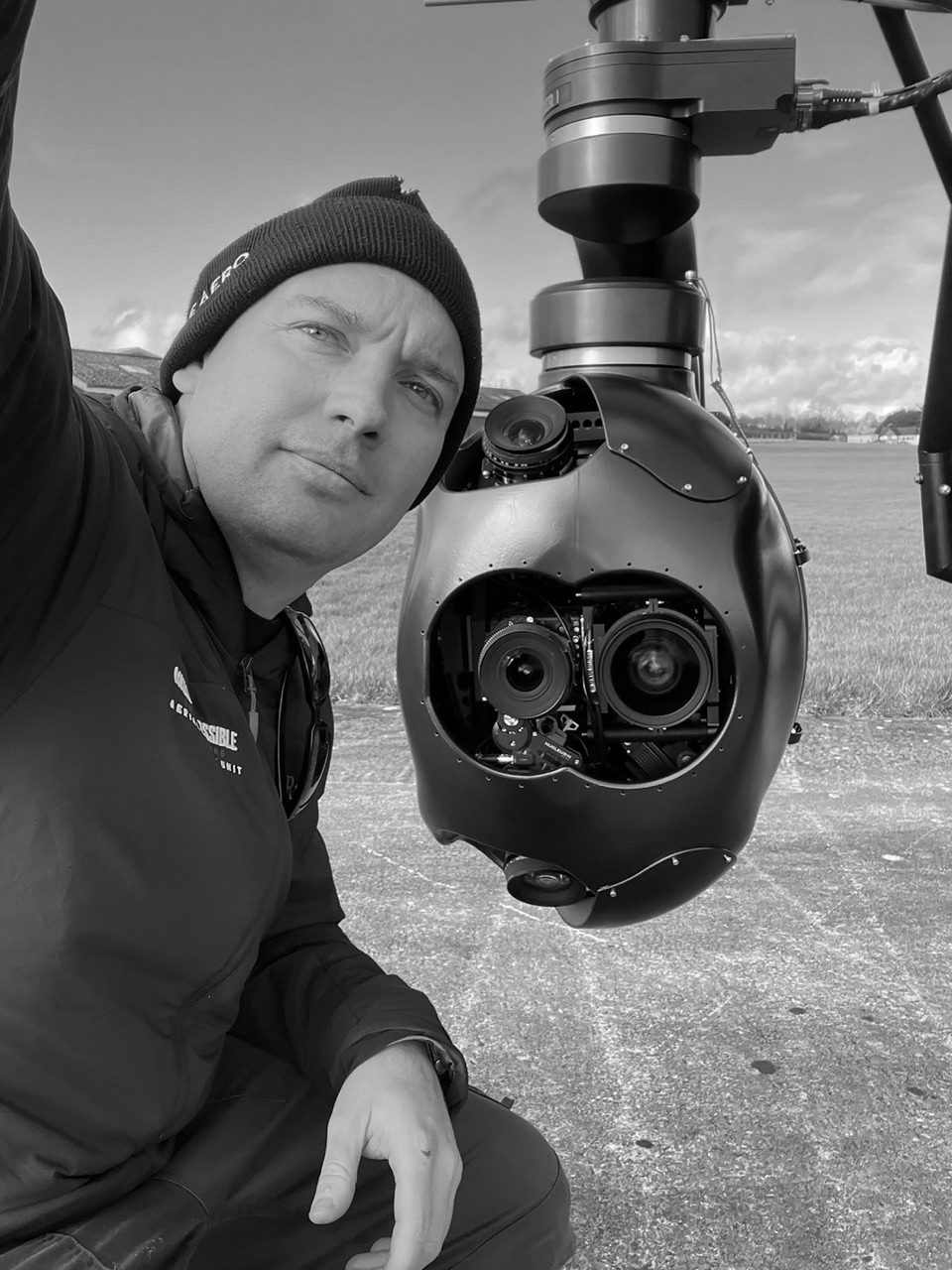
Dani Rose
Director of CineAero & CineArray
With more than a decade in the industry, Rose has held key tech roles including drone pilot, array technician and Shotover technician. He’s been trusted with designing camera systems worn by Tom Cruise during skydiving jumps, and even served as lead rigging technician for the biplane sequence on Mission: Impossible – The Final Reckoning. His credits include Star Wars: Starfighter and Masters of the Universe.
DEFINITION: What recent changes in aerial technology have most affected how you work on-set?
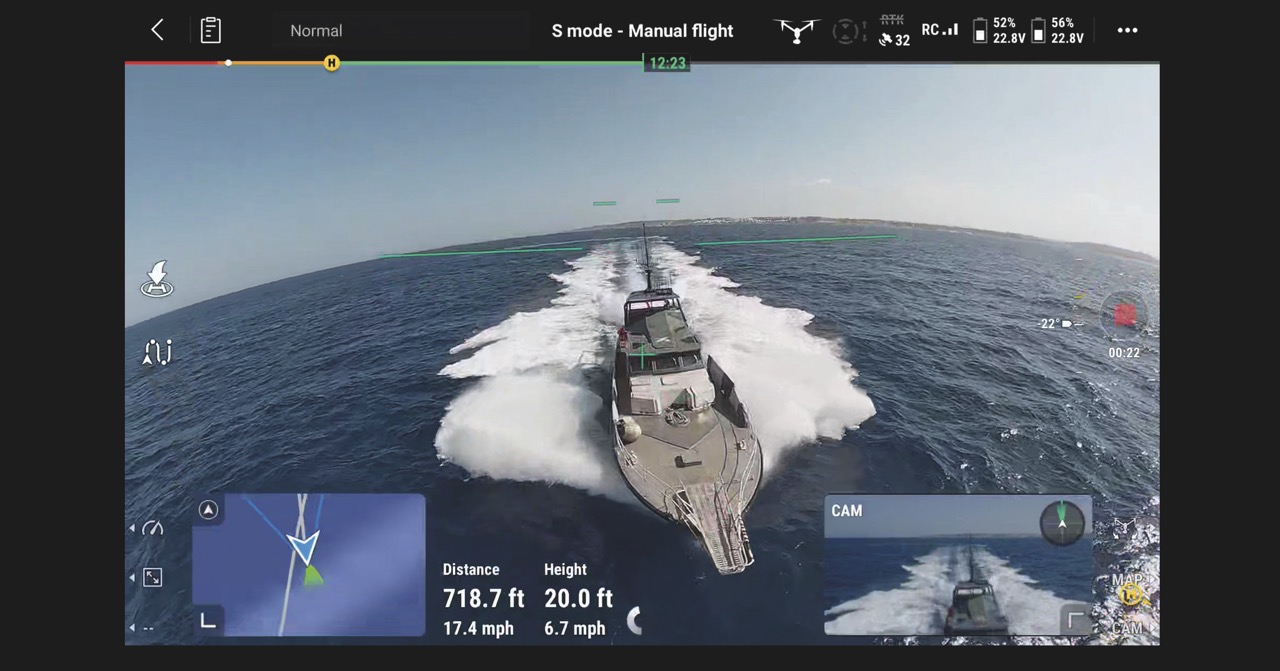
John Marzano: Drone stability, sensor quality and integration with cinema cameras. Modern drones can now carry full-frame cinema cameras with advanced gimbals and real-time monitoring, letting aerial shots match ground-based cinematography more seamlessly. Our in-house CAD design and engineering team has designed and integrated bespoke, multicamera array systems to fly under our heavy-lift drones for specialist VFX applications.
We have also seen advances in FPV systems, autonomous flight planning and live transmission, enabling directors and DOPs to make faster creative decisions on-set. Our unique helicopter systems, the award-winning Eclipse and mini Eclipse, have GPS targeting capabilities that can provide VFX teams with highly accurate telemetry for image tracking.
Dani Rose: A lot of changes that have had the biggest impact on how we work have come from developing technology in-house at CineAero and CineArray. One of the most significant is our 3+1 array for the Shotover K1, which combines a 180° camera array with a single camera and a zoom lens. This lets us capture VFX plates and high-quality GVs at the same time, and is a real game changer on-set. It saves valuable time both in the air and on the ground by removing the need to land, re-rig or swap payloads for different shot requirements. It also avoids issues such as losing light or continuity because everything is captured in one pass.
We’ve always focused on developing aerial technology that serves the film and television industry: from speedflying, dual-camera body rigs to complex drone arrays, we’re constantly pushing to find smarter, safer and more efficient ways to deliver what productions need.
DEF: What tends to have the greatest influence on whether an aerial shot succeeds or fails?
JM: Planning and communication are the biggest. Weather, airspace restrictions and safety constraints are crucial, but the deciding factor is if the aerial shot has been integrated into the creative and logistical plan from the outset. Having an operational planning team is essential and the wealth of experience we have at Marzano Films Limited (MFL) is unsurpassed by any other operator. Engagement with the production unit at an early stage helps ensure any aviation-based regulatory requirements are met.
Dr: Agreed. Aerial work involves many moving parts, from securing the correct permissions and approvals in advance to having detailed creative conversations with the director and DOP about what the shot needs to achieve. Multiple stages need to be aligned before a shoot day. As the saying goes, failure to prepare is preparing to fail! A clear, concise shot plan is essential. It allows the pilot and camera operator to understand the intention of the shot and execute it accurately, while ensuring coordination with any departments involved, such as stunts or grips. When everyone is aligned before the aircraft leaves the ground, the chances of delivering a successful aerial shot increase dramatically.
DEF: Is there anything productions tend to get wrong when planning how to capture aerial shots?
Dr: Aerial shots often look simple on screen, but they rely on early creative alignment, technical planning and coordination across multiple different departments. The most successful productions treat aerial filming as an integral part of the overall filmmaking process rather than as a bolt-on.
When aerial teams are involved early alongside the director, DOP, stunts, locations and health and safety, it allows for better shot design, safer execution and stronger results on screen.
JM: The most common issue is underestimating the time, permissions and safety planning required. Aerial work involves aviation regulations, risk assessments and coordination with stunt, camera and VFX departments as well as (almost always) local authorities. Another frequent issue is not getting rehearsal time, especially for complex moves involving actors, animals, vehicles or aircraft.
DEF: Are there any common misconceptions about aerial filming, and how would you address them?
JM: A common misconception is that aerial filming is simply ‘flying a drone’. In reality, it is a coordinated aviation operation involving licensed pilots, camera operators, safety officers and technical specialists. Aside from their creative and technical capabilities, crew training and experience involves being competent with aviation safety protocols and the technicalities of the aircraft being used.
At MFL, while we strongly advocate for and encourage new talent, we also know that integrating inexperienced personnel into key aerial team roles can multiply the safety risk to the whole production crew.
While drones have reduced costs compared to helicopters, high-end aerial cinematography still requires specialist crew, insurance, planning and premium equipment to successfully meet high cinematic standards.
Dr: One of the biggest misconceptions about aerial filmmaking is that drones have replaced helicopters on film sets. In reality, they are very different tools that serve different purposes, and most large productions rely on both.
Drones are fantastic for fast, dynamic shots that can get right up to the action, especially when you are working in more confined spaces or very near performers or sets. They are also great tools for capturing VFX plates. At CineAero, we have used multicamera arrays on drones to gather plates from ground level up to around 1000ft, which would be difficult or inefficient to achieve via any other method. They are agile, quick to deploy and incredibly versatile.
Helicopters, however, remain essential. They are able to fly longer, further, higher up, carry heavier and more complex camera packages and deliver a level of endurance and perspective that drones simply cannot replicate yet. For sweeping landscapes, extended chase sequences or shooting situations where reliability over long takes is critical, helicopters are still pivotal in capturing truly cinematic aerial imagery.
Aerial filming is not about choosing one system over the other, but instead understanding the strengths and limitations of each platform and then using the right one for the specific story, environment and safety requirements of the shoot.
DEF:Everybody is talking about artificial intelligence right now. How do you see it having a tangible impact on your work, if at all?
Dr: AI is becoming part of the landscape, but its impact should be more practical than transformative. Creative decisions such as when to fly, where to place the camera, how a shot supports a story and performance are still very human. AI can streamline processes and reduce risk, but it doesn’t replace the judgement, experience and collaboration required to capture cinematic aerial footage safely and meaningfully.
JM: AI is already influencing flight stabilisation, object tracking, obstacle avoidance and autonomous shot planning. A Marzano team used these features on a recent job in central London, working in an extremely sensitive area. We were able to provide real-time assurance to our stakeholders that our flight paths would remain adequately separated from historical architecture.
In the short term, AI-driven previs, automated flight paths and post-production enhancements will speed up workflows and reduce risk. However, creative aerial cinematography still relies heavily on human piloting skill, artistic judgement and on-set collaboration, which AI will augment rather than completely replace.
DEF: Which aerial shot are you most proud of pulling off – and what made it so special?
JM: We’re most proud of shots that combine complex choreography, technical precision and narrative purpose, such as long, continuous aerial moves integrating ground action, actors, vehicles and even animals. What makes these shots special is how we coordinate across departments to achieve a visually immersive and story-driven result while maintaining the highest safety standards.
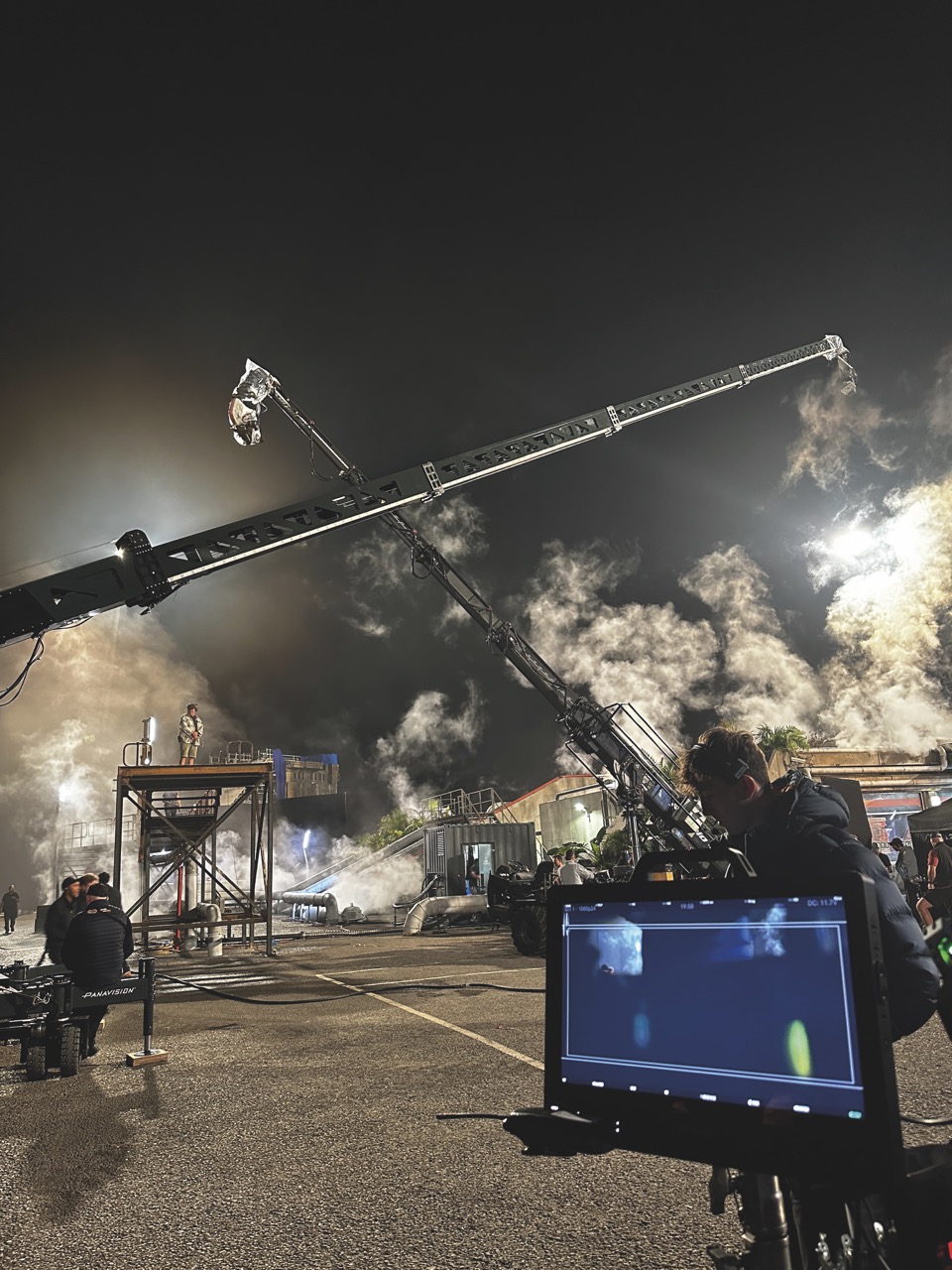
We recently accomplished two very complex shots involving hand catching a drone, carrying it through structures on the film set while working with ground action, live animals and a 100+ person cast. Both sequences lasted well over two minutes, involving continuous action and complex choreography. At the end of shooting, the drones were released back into flight. Our expert drone teams pulled off two extraordinary shots that were seamless from start to finish. The production teams were amazed at what both drone units achieved.
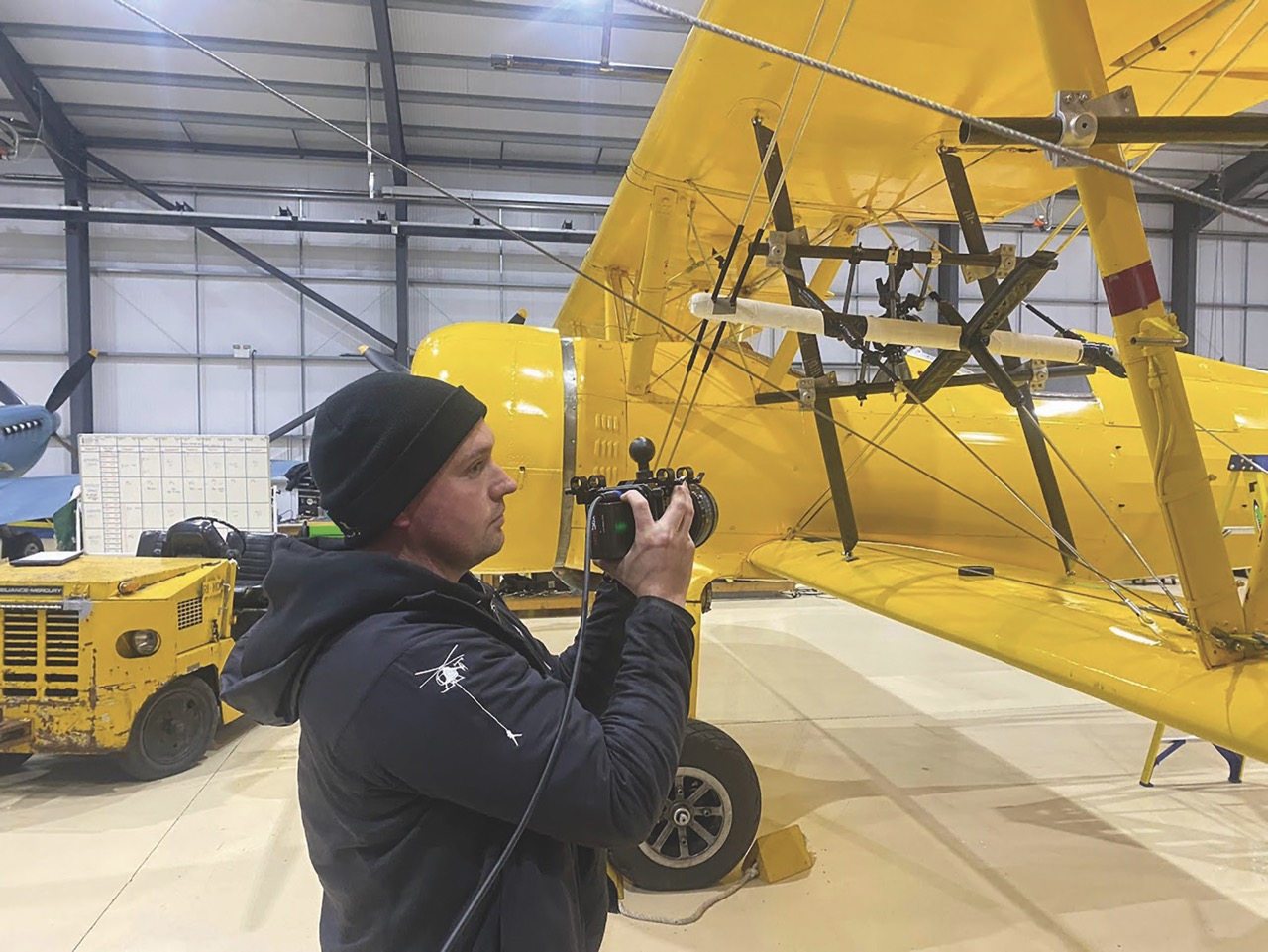
Dr: The aerial sequence I’m most proud of is the biplane sequence for Mission: Impossible – The Final Reckoning; it was easily the biggest technical and creative challenge of my career. We were given a brief from Tom Cruise and the director Christopher McQuarrie that essentially said ‘put cameras anywhere on the plane’. The problem was these planes were forties Boeing Stearman aircrafts, never designed with contemporary cinematography in mind! It required a complete reengineering of the airframes: reinforced wings, removable exoskeletal camera frames, vibration isolation, IMU telemetry, power distribution and long-range camera control. We worked closely with the DOP Fraser Taggart, stunt coordinator Wade Eastwood, engineers, pilots and the stunt team. Every camera build was bespoke, and since each of the four Stearmans were hand-built, no two were exactly the same, so consistency was a constant battle.
Depending on the shot, we mounted anywhere from one to six cameras per plane, managing up to 20 cameras and 40 lenses with a small but exceptional camera team, alongside a brilliant rigging crew who were always adapting as demands evolved. Everything had to be airworthy, engineer-approved and often re-rigged in a matter of hours in remote locations and extreme weather.
What made it special wasn’t just the technical achievement, but the trust and collaboration involved, pushing the limits of what’s possible, such as building entirely new systems and then seeing that work play out on the big screen. I’ve been lucky to work on multiple Mission Impossible films and see places most people will never, from flying over an empty Venice at night during lockdown to operating on sea ice in Svalbard with glaciers and polar bears nearby. But the biplane sequence stands out.
DEF: How will the future of aerial filming evolve over the next ten years?
JM: We anticipate even more integration between hybrid aerial platforms that combine drones and autonomous vehicles with deeper integration of virtual production and VFX pipelines. AI-assisted flight and camera control has already enabled repeatable, complex moves, and we anticipate further development. Accurate repeat drone and camera moves are already utilised regularly by our teams, simplifying what traditionally would have required extensive and complex VFX tracking. These and other features will be more widely applied as AI integration improves. Regulatory frameworks will continue evolving to support urban and night operations. Aerial cinematography will be an increasingly integrated storytelling tool rather than a stand-alone spectacle.
For more insights into the industry, read Round table: Storage simplified.
This story appears in the February/March 2026 issue of Definition