
Fireside Chat: Katie Bailiff of Women in Film & Television UK
Posted on Mar 30, 2026 by Admin
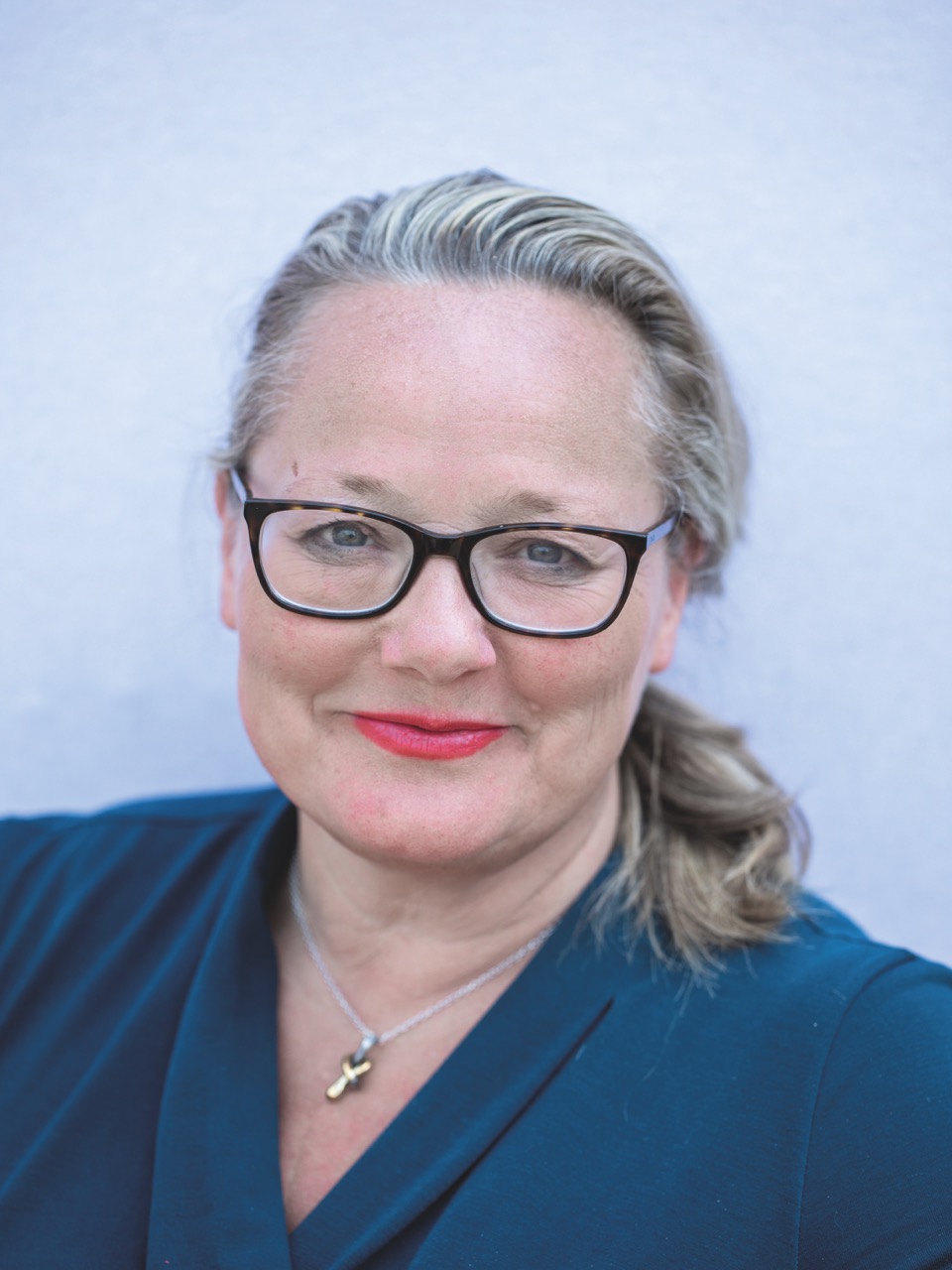
After 30 years telling social-issue stories as a producer, director, executive producer and creative director, Katie Bailiff stepped into the CEO role at Women in Film & Television UK. She discusses the state of the sector, the barriers women continue to face and what meaningful change could look like in the years ahead
Interview Nicola Foley | Top image Gemma Day
Definition: You’ve had a long and varied career before leading Women in Film & Television UK (WFTV). What are the key roles and milestones that shaped your path?
Katie Bailiff: I grew up in Morecambe in the north-west – a very deprived seaside town – and I did not know a single person in film or television. When I was 14, my dad, who was a boatbuilder, provided a prop for an episode of Poirot. I went with him on the night shoot and it was like stepping into Narnia – the costumes, the clatter of the track and dolly, the team spirit, the energy. My dad said, “Try to get something you love doing, and get someone to pay you to do it.” That advice stuck.
I studied English with film and TV at York, then started as a researcher in documentaries in Leeds. I co-founded Century Films and spent 30 years making social-issue documentaries – in prisons, rehabs, schools, charities – and also factual drama. It gave me a real grounding in how Britain works.
In 2021, during lockdown, I was asked to take over as CEO of WFTV. I’d never run a membership organisation before and, like many women, wondered: ‘Can I do this?’ But running a small charity isn’t so different from running an indie: bringing in funds, supporting teams, knowing the industry. Since then, we’ve tripled our membership, turnover, staff numbers and the number of schemes that are on offer. We have expanded mentoring across the UK, launched leadership programmes, a writers’ lab and new production-management initiatives with ScreenSkills. I’ve tried to respond quickly to what women tell us they need and turn ideas into action.
DEF: What were your priorities coming in as CEO, and which achievements stand out to you?
KB: During Covid, the priority was stability and community. Women were disproportionately affected – job losses, home-schooling and caring responsibilities – so we worked hard to keep people connected and supported. Beyond that, I have focused on keeping women informed about industry shifts and on professional development. Unlike law or teaching careers, many women in film and TV can hit 50 without having received any leadership training. That lack of development feeds burnout, bad HR practices, bullying and glass ceilings. Our leadership course and mentoring schemes are designed to counter that, giving women the skills, networks and confidence they need.
DEF: What do you hear most from women in the industry right now?
KB: Impostor syndrome. Women really suffer from it. It’s not a lack of talent – it’s confidence. Confidence plus opportunity plus talent makes a career, but if you can’t put yourself forward for opportunities, it’s much harder. We work a lot on building confidence. We are also focused on raising the profile of women where they are still underrepresented: cinematography, sound, writing, post-production and directing. We’re looking at who’s missing and why, and how we can address it.
DEF: From your perspective, what are the most persistent structural barriers holding women back?
KB: A lack of women in senior roles. All of the evidence shows that when you have women leading – female directors, female writers, heads of department – the whole culture of a production changes. They hire more women and bring in more inclusive teams. That is why we push hard on supporting senior women: they give back constantly, they mentor others, but they often receive the least support themselves. Creating cohorts of senior women to share experiences, advice and challenges has been game changing.
DEF: And where are you seeing genuine progress?
KB: Female directors – especially in unscripted work – are increasing in number, which is brilliant. We’re seeing more female-founded companies across the UK too. And I think women are also getting bolder about saying: “This is what I do, and I can do it.” Rather than undermining themselves. This shift in confidence is significant.
DEF: Has progress been linear, or does it move in cycles?
KB: Right now it feels cyclical. With the downturn in the industry, so many freelancers are out of work and a lot of brilliant women are leaving. Other sectors with more stability and flexibility are benefitting from talent that we’ve spent years training. It is a huge waste. Conditions – especially the hours – are incredibly challenging for parents and carers. We’re at real risk of a talent drain.
DEF: How would you describe the wider landscape of UK film and TV at the moment?
KB: Challenging. There are so many disruptive forces: changes in content consumption, the dominance of streamers, falling advertising revenue and shrinking budgets. And then there’s AI – which is reshaping everything from storytelling to production to audience engagement. We’ve launched a major survey on AI, and the resulting picture is completely polarised. Post-production is embracing it, while writers and actors are furious about it. Some people hope it will go away, but it won’t.
Our role is to guide our members through the next two years: educating them about its impact, the ethical and rights issues and helping each role understand what AI means for them.
I can see a gender gap forming in the uptake of AI. Historical issues about women in tech, and a sense that using it might be ‘cheating’, mean fewer women are engaging. The dataset biases are also huge. If you type ‘documentary filmmaker’ into an AI tool, it will likely show you a man with a camera.
We can’t let women be left behind – or replaced by men who’ve embraced these tools faster. Upskilling is essential.
DEF: What do you think organisations like broadcasters, streamers and production companies should prioritise if they want to nurture and retain female talent?
KB: Backing women. Supporting them properly. Recognising that these aren’t ‘women’s problems’ alone. Men can be extraordinary advocates by championing female colleagues and making sure female talent is always in the mix for jobs. Mentoring is also very powerful. Everyone can benefit from it. Setting up internal schemes helps women grow, be seen and stay.
DEF: WFTV’s mentoring scheme is highly regarded. What makes it so effective?
KB: It’s been running for 16 years and is aimed at women mid-career who want to make a change – returning after children, moving from writing to directing or stepping up into new roles. They identify a clear goal, suggest someone who’s already done that journey and we match them. The mentor-mentee relationship is bespoke and driven by the mentee.
Around that we build a toolbox: CV overhauls, finance sessions, personal branding, diversity, AI – whatever that cohort needs. Each mentee also gives a seminar on their area of expertise, which is like night school: you learn so much.
The real magic, though, is the cohort. The groups bond and support each other for years, sometimes decades, sharing jobs, wins, worries and contacts. People tell us it’s life-changing, transformative and like an elixir. We create the network; they carry it forward.
DEF: Finally, when you picture the future of film and television, what change would you most like to see?
KB: Equity. A fair industry where talented, committed people get the same opportunities as everyone else and people are treated with kindness. It really is as simple as that.
Join us for another fireside chat in this interview with Laura Mansfield of ScreenSkills.
This article appears in the February/March 2026 issue of Definition